


URA Brings Tax Education to Life in Masindi and Bweyale
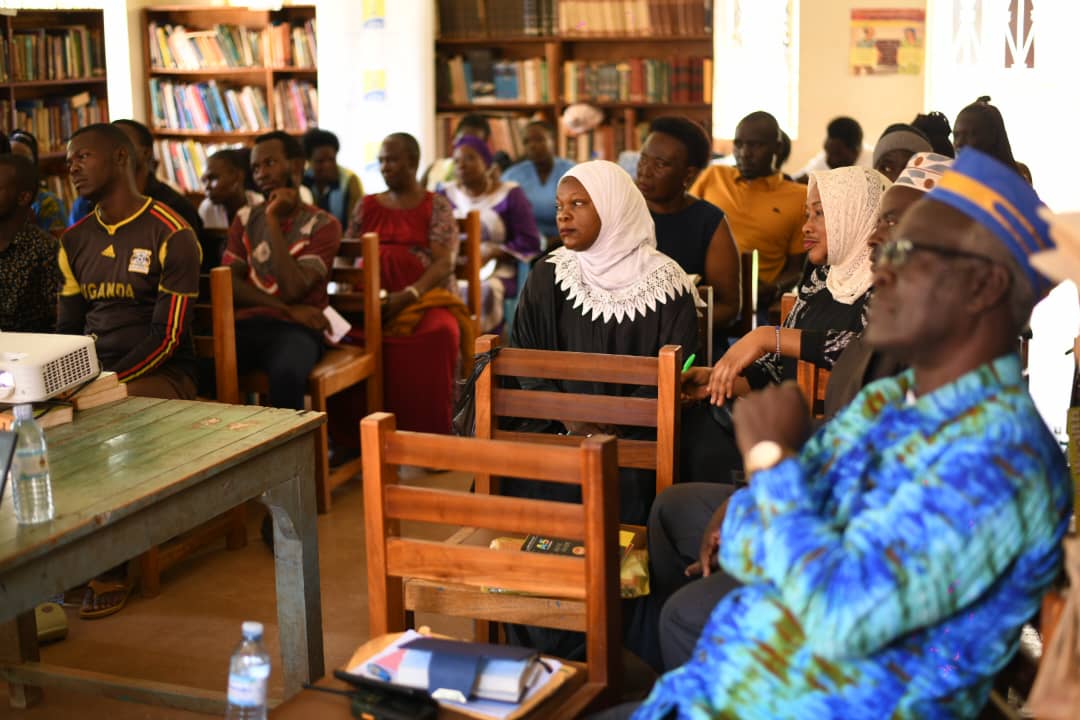
This week, the Uganda Revenue Authority (URA) brought tax education closer to the people of Masindi and Bweyale. A team from the URA held a special session at the Masindi Municipal Council Main Library to meet with potential VAT taxpayers and share valuable information. The event aimed to clear up confusion about different types of taxes and help local businesses better understand their tax responsibilities.
During the session, Mr. Kakeeto Ziadi, the Acting Supervisor of Tax Education for the Mid-Western Region, spoke about the difference between two common taxes—property tax and rental income tax. He explained that property tax is collected by the Municipal Council, while rental income tax is managed by the URA. These taxes serve different purposes and are handled by different authorities. This helped many participants understand why and where they need to pay certain taxes.
Another key speaker, Mr. Okao Brian from the URA Tax Education Content Development team, explained how VAT (Value Added Tax) works. He described it as an indirect tax added to goods and services. He also talked about two types of VAT returns. The first is a Payment Return, which is used when a business has collected more output VAT than what it paid as input VAT. The second is an Offset Return, used when input VAT is more than the output VAT collected. His simple and clear explanation made the concept easier to grasp for many who attended.
Community support played a big role in the event’s success. Mr. Serunkuma Abdallah, the Chairman of the Business Community in Masindi, and Mr. Tumusiime Moses from Bweyale, both attended and supported the outreach. They thanked the URA for reaching out and encouraged more businesses to engage with the authority. They admitted that in the past, some people had doubts about URA, mostly because of misunderstandings. However, they praised the URA team for being friendly, helpful, and committed to servant leadership.
Both leaders agreed that more tax education is needed to close the knowledge gap. They called on the URA to continue such outreach programs so that more people understand the importance of taxes and how they are used to build the country.
URA’s efforts in Masindi and Bweyale showed that when people are informed, they are more willing to comply and even support tax systems. Through open communication, trust, and education, URA is helping Ugandans work together toward national development.

