


Be Aware!! Entebbe Airport Runs Big Emergency Test to Prepare for the Worst
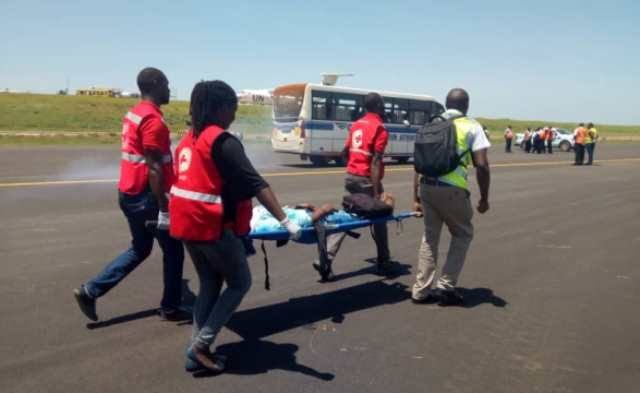
If you were near Entebbe International Airport this Friday afternoon and saw smoke, fire trucks, or heard sirens, don’t worry, it wasn’t a real emergency. The Uganda Civil Aviation Authority (UCAA) carried out a full-scale emergency simulation exercise to test how well the airport and its staff can respond to serious emergencies. The drill started at exactly 1:09 PM on May 23, 2025, and involved several teams including fire services, medical staff, airport security, and emergency response units.
This type of exercise is a normal and important part of airport safety. It is done to make sure that if a real emergency ever happens — such as an aircraft accident or a major fire — everyone will know exactly what to do. The goal is to improve coordination among the different teams, check the equipment and response systems, and find any weak areas that need fixing. These drills are based on international standards and are required regularly for airports around the world to stay certified and safe.
People working at the airport and passengers were informed in advance not to be alarmed by the activity. The UCAA also sent out a message to the general public, explaining that what they were seeing was not real but part of the training. Smoke and fire used during the exercise were only simulations, created to make the situation feel real for the teams practicing.
These kinds of safety drills are especially important for busy airports like Entebbe, which handles thousands of passengers every day. Being prepared can save lives, and that’s why the Uganda Civil Aviation Authority takes such exercises seriously. It’s also a great way to boost confidence among passengers and the general public, knowing that those in charge of their safety are trained and ready for any situation.
More updates and information about how the drill went will be shared by the UCAA soon. Until then, you can rest easy knowing that your airport is doing everything it can to keep you safe even if it means setting off fake smoke and alarms once in a while.

