


Concerns Grow Over Biometric Voting Readiness Despite Museveni’s Push to Prevent Vote Rigging in 2026.
By Amos Ssemuwemba
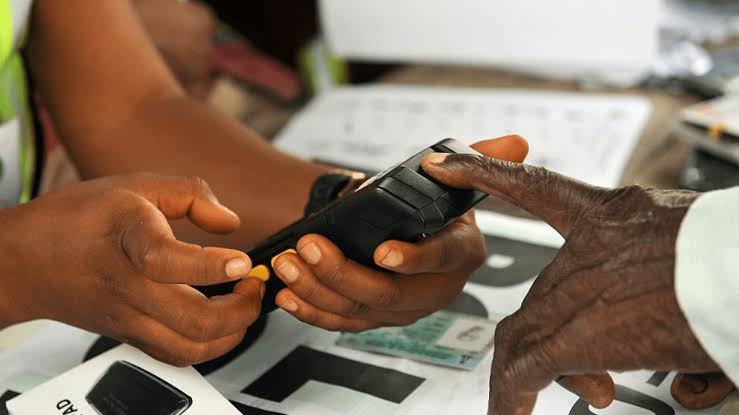
As Uganda nears the 2026 general elections, the viability of implementing a biometric voting system is under scrutiny, despite President Yoweri Museveni’s push for its adoption as a safeguard against vote-stealing. In 2021, the Electoral Commission invested Shs82.89 billion in 32,334 biometric machines to cover 34,344 polling stations. However, the rollout encountered numerous challenges, raising concerns about its readiness for the next election.
Initial deployment issues included thumbprint recognition failures, malfunctioning devices, voting fraud, and network disruptions, exacerbated by internet outages, as highlighted in a civil society report.
Museveni has been vocal in urging the use of biometric voting technology, arguing that it could reduce electoral malpractice. However, despite his calls, skepticism lingers. Kabula County MP Enos Asiimwe expressed doubts: “Technology is the future, but it can’t be fully functional in the remaining time. Legislation can change, but the system won’t be ready for 2026.”
City lawyer George Musisi emphasized that a credible election process is more important than technological advancements: “Whether we use biometrics or manual systems, if the process is flawed, the outcome won’t be fair. Violence and intimidation undermine any technology.”
MP Jonathan Ebwalu raised concerns about the reliability of national data, questioning the accuracy of statistics from the Uganda Bureau of Statistics and the National Identification and Registration Authority (NIRA). He cautioned: “If the national data is flawed, relying on it for biometrics is risky. Even if the technology works, the political climate may prevent its correct use.”
Experts recommend a preparation period of 18 to 24 months to properly implement biometric voting technology. This timeline includes steps such as procurement, vendor selection, field registration, and equipment testing—leaving little room for readiness by 2026.
While some political actors still believe technology could address vote rigging, many now view the system as more suitable for the 2031 elections. The ongoing debate underscores the importance of a transparent electoral process, regardless of whether biometrics or traditional methods are used.

