


Beyond Criticisms: Unveiling the Electoral Commission’s 15-Year Milestones
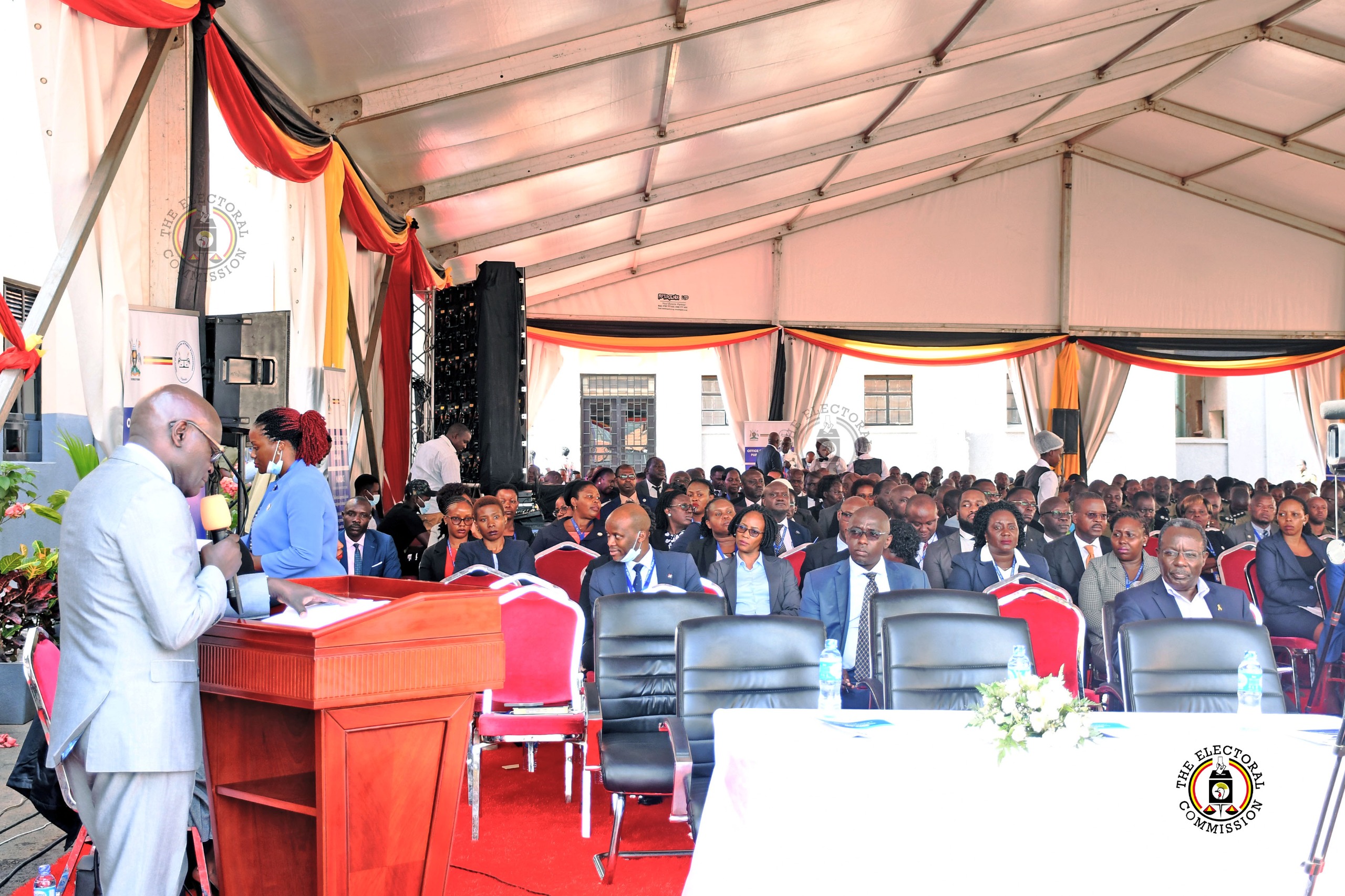
While the Electoral Commission faces criticism from opposition and activists regarding its handling of elections, it’s essential to acknowledge the commission’s significant achievements over the past 15 years. Today, we shift the focus to the positive strides made by the commission, often overlooked in the midst of criticism.
Enhancing Electoral Integrity
The Electoral Commission has successfully conducted numerous elections, ensuring the integrity of the electoral process. This includes the implementation of robust voter registration systems, effective voter verification mechanisms, and efficient counting processes.
These are some of the initiatives the EC has under taken over the years;
Robust Voter Registration Systems
The Commission has established a reliable voter registration process, ensuring that all eligible citizens can participate in elections. This includes maintaining an up-to-date national voters’ register, as mandated by Article 61(e) of the Constitution.
Effective Voter Verification Mechanisms
To prevent electoral malpractices, the Commission has implemented effective voter verification mechanisms. These measures ensure that only registered voters can cast their ballots, reducing the risk of voter fraud.
Efficient Counting Processes
The Commission has also streamlined the counting process, ensuring that election results are accurate and transparent. This has been achieved through the use of technology, such as electronic voting systems and results transmission platforms.
Institutional Systems and Instruments
The Electoral Commission’s success is rooted in its institutional systems and instruments, established under Article 60 of the 1995 Constitution. These frameworks provide a solid foundation for conducting credible, free, and fair elections.
Some of the key institutional structures and systems include:
Constitutional Mandate: The Commission is empowered to organize, conduct, and supervise regular, free, and fair elections and referenda.
Strategic Planning: The Commission has implemented strategic plans to address electoral challenges and improve the electoral process.
Collaboration with Stakeholders: The Commission works closely with stakeholders, including international organizations, to ensure electoral integrity and share best practices.
Additionally, the commission has also done a good job with the expansion of voter rights
The commission has played a crucial role in expanding voter rights, particularly for marginalized communities. Initiatives such as extended voter registration periods, voter education programs, and accessible voting facilities have increased voter participation
Likewise with technological advancements, the Electoral Commission has embraced technology to enhance the electoral process. Introduction of electronic voting systems, online voter registration portals, and results transmission platforms have improved efficiency and transparency
Furthermore, the commission’s efforts have garnered international recognition. Its collaboration with international organizations, such as the European Union, has facilitated the sharing of best practices and expertise in electoral management
Key Achievements:
Successful Conduct of Elections: Conducted multiple national and local elections, ensuring peaceful transitions
Voter Registration: Implemented robust voter registration systems, increasing voter participation
Electoral Reform: Introduced electoral reforms, enhancing the integrity and transparency of the electoral process
Capacity Building: Strengthened institutional capacity through training and capacity-building programs
International Cooperation: Collaborated with international organizations to promote electoral excellence
By acknowledging these achievements, we recognize the Electoral Commission’s commitment to democratic governance and its efforts to ensure free, fair, and credible elections.

