


New Marriage Regulations Require NIN for Valid Union: What it Means for Ugandans Without IDs

In a significant development aimed at streamlining Uganda’s marriage registration process, the Uganda Registration Services Bureau (URSB) has announced that individuals without a National Identification Number (NIN) will no longer be able to enter valid marriages. This requirement, made official in August, applies to all forms of marriages—customary, civil, and religious—sparking a nationwide conversation on the potential impact.
The URSB, which is responsible for civil registrations, including marriages, communicated the new directive to churches and other licensed marriage officiants across the country. Speaking on the matter, Mr. Denis Nabende, URSB’s Public Relations Manager, emphasized that the new measure is intended to ensure the accuracy of Uganda’s National Marriage Register and to curb issues like identity fraud. “We need to know who is actually getting married to be able to list it in the National Marriage Register,” Mr. Nabende stated.
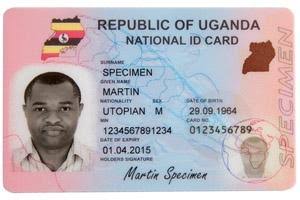
Historically, churches and other institutions have accepted alternative forms of identification, such as baptism cards, but these will no longer suffice. Now, individuals must provide their national ID to ensure their marriage is legally recognized. “It’s about making the marriage register more credible,” added Mr. Nabende.
Unanswered Questions and Potential Impact
However, as the new regulation approaches implementation, concerns have been raised about its potential to exclude many Ugandans who, for various reasons, do not have a national ID. Although the exact date for when this new rule will take effect remains unclear, the news has left some religious leaders and legal experts questioning the inclusivity of the policy.
For instance, the Catholic Church has already begun notifying its congregations about the change. John B. Kauta, the secretary general of the Uganda Catholic Secretariat, explained in a letter dated August 28, 2024, that this adjustment is merely a matter of compliance with civil law. “It is not a big deal. It is just the law of Uganda… we are just following what we have been told to do,” he clarified.
The Church of Uganda has not yet issued a formal response. However, its Provincial Secretary, Mr. Balaam Muheebwa, noted that they are awaiting further government communication. “We get a lot of wedding applications from people living abroad. Some of them don’t have national IDs, so we want to understand if there are any exceptions or alternatives,” Muheebwa said.
This raises broader questions about Ugandans in remote areas or abroad, many of whom may not have a NIN. How will the state address cases where obtaining an ID is difficult or impossible before planned weddings?
Legal and Social Considerations
Lawyers have weighed in on the issue, noting both the benefits and challenges of the new requirement. Ms. Pheona Nabasa Wall, a former president of the Uganda Law Society, pointed out that the NIN requirement would help reduce identity theft and enforce laws around citizenship and residency, as marriage confers certain legal rights in these areas. “In Uganda, the national ID is the most recognized form of identification. It’s essential that we ensure people entering into legal marriages are who they say they are,” Ms. Wall remarked.
However, some argue that the government needs to do more to ensure access to national IDs, especially in marginalized communities. With Uganda’s National Identification and Registration Authority (NIRA) struggling to meet the demand for ID registration and replacement, delays in issuing IDs could present a significant obstacle to the new marriage law.
The Road Ahead
As the URSB prepares to implement this new regulation, it remains to be seen how the government will address the concerns of those without national IDs. The directive aligns with the broader effort to transfer marriage registration functions from URSB to NIRA, although this transition is still in progress.
For now, one thing is clear: anyone planning to tie the knot in Uganda must ensure they have a valid national ID. Whether this new regulation will achieve its intended goals or inadvertently prevent many from entering legal marriages remains a topic of heated discussion.
As the legal landscape shifts, religious institutions and individuals alike are preparing to navigate these new requirements, with calls for greater clarity and, potentially, flexibility for those without easy access to a national ID.

