


Mental Health: Breaking the Silence.

Mental health is a vital aspect of our overall well-being, encompassing our emotional, psychological, and social functioning. It affects how we think, feel, and behave, influencing our relationships, work, and daily life. However, mental health remains shrouded in stigma and misconceptions.
Causes of Mental Health Issues
Mental health issues arise from a complex interplay of biological, psychological, social, and environmental factors. These include:
- Biological factors: genetics, neurochemical imbalance, brain structure and function, hormonal changes, and chronic illness
- Psychological factors: trauma, stress, low self-esteem, cognitive distortions, and learning and modeling
- Social factors: social isolation, social media, relationship issues, work-related stress, and socioeconomic factors
- Environmental factors: childhood experiences, environmental toxins, climate change, cultural and societal expectations, and access to resources.
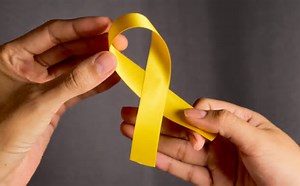 Here are some common red flags or signs of mental health issues:
Mood Changes:
- Persistent feelings of sadness, hopelessness, or emptiness
- Irritability, anxiety, or restlessness
- Mood swings, emotional reactivity
- Loss of interest in activities once enjoyed
Behavioral Changes:
- Changes in appetite, sleep patterns, or energy levels
- Withdrawal from social activities, friends, or family
- Difficulty concentrating, making decisions, or remembering things
- Increased substance use or addiction
Thought Changes:
- Negative self-talk, self-blame, or self-doubt
- Racing thoughts, obsessive thinking, or rumination
- Fear, anxiety, or paranoia
- Disorganized thinking, confusion, or difficulty articulating thoughts
Physical Changes:
- Unexplained physical pain, headaches, or stomach issues
- Changes in hygiene, grooming, or appearance
- Fatigue, lethargy, or loss of energy
- Changes in appetite, weight, or sleep patterns
Social Changes:
- Social isolation, withdrawal from relationships
- Difficulty maintaining relationships, conflicts with others
- Avoidance of social situations, fear of social interactions
- Changes in communication style, tone, or content
Other Signs:
- Suicidal thoughts, behaviors, or attempts
- Self-harm, cutting, or other forms of self-injury
- Trauma, PTSD symptoms, or flashbacks
- Dissociation, feeling disconnected from oneself or reality
Remember, everyone experiences mental health issues differently, and not everyone will exhibit all of these signs. If you’re concerned about someone’s mental health, trust your instincts and encourage them to seek professional help.
Prevention Strategies
Preventing mental health issues requires a multi-faceted approach:
- Individual strategies: self-care, healthy habits, stress management, mindfulness, social connections, personal growth, healthy boundaries, and seeking help
- Collective strategies: community support, education and awareness, workplace wellness, school-based programs, family support, public policy, cultural sensitivity, and technology-based interventions
- Early intervention strategies: identifying red flags, early treatment, family involvement, school-based interventions, and workplace accommodations
Depression and Mental Health
Mental health and depression are related but distinct concepts. Mental health refers to our overall emotional, psychological, and social well-being, while depression is a specific mental health condition characterized by persistent feelings of sadness, hopelessness, and loss of interest in activities.
World Suicide Prevention Day
World Suicide Prevention Day is celebrated on September 10th every year, to raise awareness about suicide prevention and to encourage people to speak openly about their struggles. It’s a day to start the conversation, to listen without judgment, and to support each other in our struggles.
The theme of World Suicide Prevention Day 2024-2026 is “Changing the Narrative on Suicide” with the call to action “Start the Conversation.” This theme aims to raise awareness about reducing stigma and encouraging open conversations to prevent suicides.
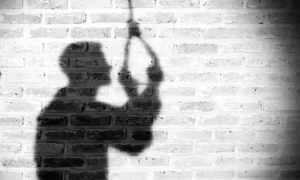
World suicide day was established in 2003 in conjunction with the World Health Organization (WHO) and is a significant advocacy and communication-based event aimed at reaching national organizations, governments and the general public, giving a singular message that suicide can be prevented
World Suicide Prevention Day continues to grow year on year, with recent years seeing the day observed in more than 60 countries with hundreds of events ranging from educational and commemorative events to press briefings and public conferences. The internet and social media have ensured millions of people around the world are linked to the day.
Every year, the Uganda Public Health fellowship Program, Uganda National Institute of Public Health joins the rest of the world to commemorate World Suicide Prevention Day.
Acc0ording to the World Health Organization, more than 720,000 people die take their own life and there are many more people who make suicide attempts. Every suicide is a tragedy that affects families, communities and entire countries and has long-lasting effects on the people left behind. Suicide is the third leading cause of death among 15-29 –year’s olds. Seventy-three percent of global suicides occur in low- and middle-income countries.
It’s time to raise awareness and recognize our role to help prevent it.
As we celebrate the World Suicide Prevention Day today; we’re reminded of three things.
- You are not alone
- You’re life matters
- Help is available
Reach out, listen and let’s break the silence together.
Today and every day, let’s shine a light on hope and support
Report compiled by Teddy Namayanja. She’s a staff writer at SML News UG passionate about Health and human rights.
