


Uganda Launches National Committee to Tackle Wildlife Hazards at Airports
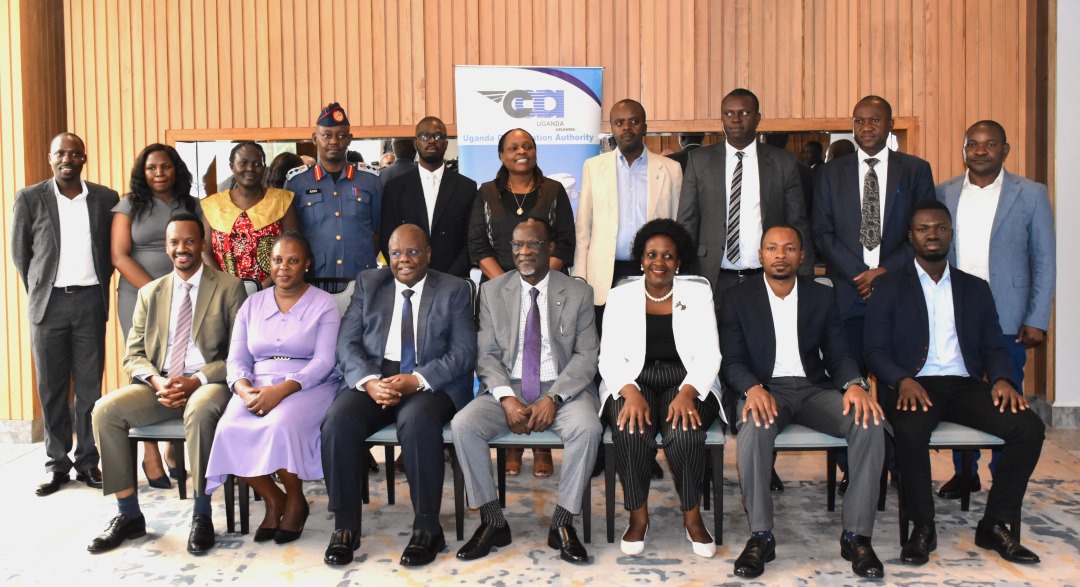
On May 21, 2025, Uganda marked a major milestone in aviation safety with the inauguration of the National Wildlife Hazard Management Committee. The event, held at Four Points by Sheraton in Kampala, brought together top officials from the Uganda Civil Aviation Authority (UCAA), various government ministries, airport operators, wildlife experts, and environmental agencies. This initiative aims to tackle the growing risk of wildlife especially bird strikes around airports and to align Uganda with international aviation safety standards.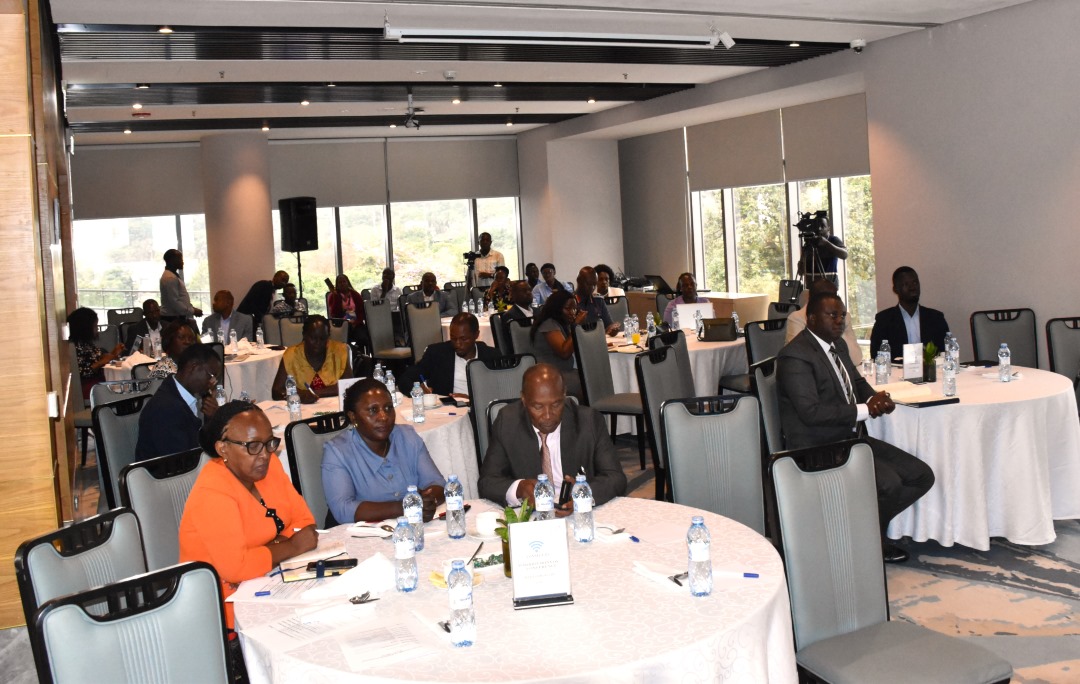
This committee was established under the Civil Aviation (Aerodromes) Regulations, 2022, as part of Uganda’s effort to comply with the requirements of the International Civil Aviation Organization (ICAO), specifically Annex 14, Volume I. ICAO recommends that member states assess and manage wildlife hazards near aerodromes through national coordination and input from qualified personnel.
Speaking on behalf of the Minister of Works and Transport, UCAA Board Chairman Hon. Justice Steven Kavuma emphasized the serious threat wildlife strikes pose to aviation safety. He recalled the 2024 Kiteezi landfill crisis, when a proposal was made to relocate the landfill near Entebbe International Airport. Though the proposal was stopped, it highlighted the urgent need for better national coordination. Justice Kavuma noted that the committee would not only shape policy but also support real and lasting improvements in aviation safety, while maintaining a balance with environmental conservation.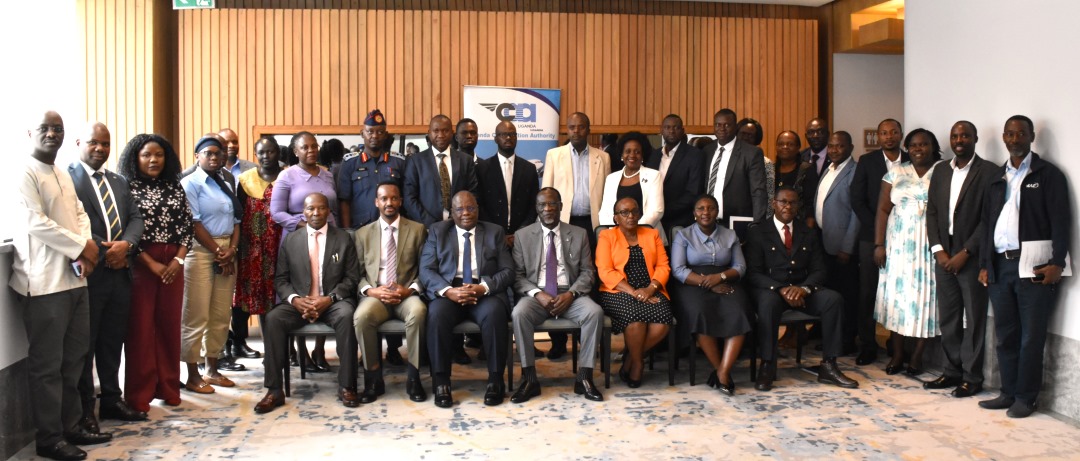
UCAA Director General Mr. Fred K. Bamwesigye, who also serves as Chairman of the newly established committee, echoed these concerns. He reminded attendees of a significant bird strike incident involving a KLM Airbus A330 in 2010, where a bird was ingested into the aircraft’s engine shortly after takeoff from Entebbe. The damage led to costly repairs and operational delays. Mr. Bamwesigye stressed that such incidents are not rare and carry heavy safety and financial implications. With growing air traffic, expanding settlements near airports, and evolving wildlife behavior, he said Uganda needs a proactive and nationally coordinated strategy.
The Directorate of Safety, Security, and Economic Regulation (DSSER) underscored that the committee would help Uganda close outstanding findings from the 2023 ICAO audit. It would also ensure that the country adheres to ICAO guidelines on land use, conservation, and wildlife management around airports.
The committee has been tasked with a number of critical roles. These include analyzing wildlife hazard problems at aerodromes, conducting research and development in wildlife management, acting as a link between airport and airline operators, advising aerodrome operators, and evaluating the effectiveness of existing wildlife hazard programs. It will also serve as a platform for information sharing on emerging tools, technologies, training standards, and legislation related to wildlife hazard management.
Membership of the committee is wide-ranging to ensure effective coordination. It includes the UCAA CEO as Chairperson, representatives from the ministries of civil aviation, local government, and defense, aerodrome and aircraft operators, wildlife and environmental authorities, and local wildlife hazard committee leaders.
In addition, the committee draws on expertise from Makerere University, conservation and ecological organizations, accident investigators, general aviation associations, and representatives from aircraft and engine manufacturers, as well as maintenance and repair organizations.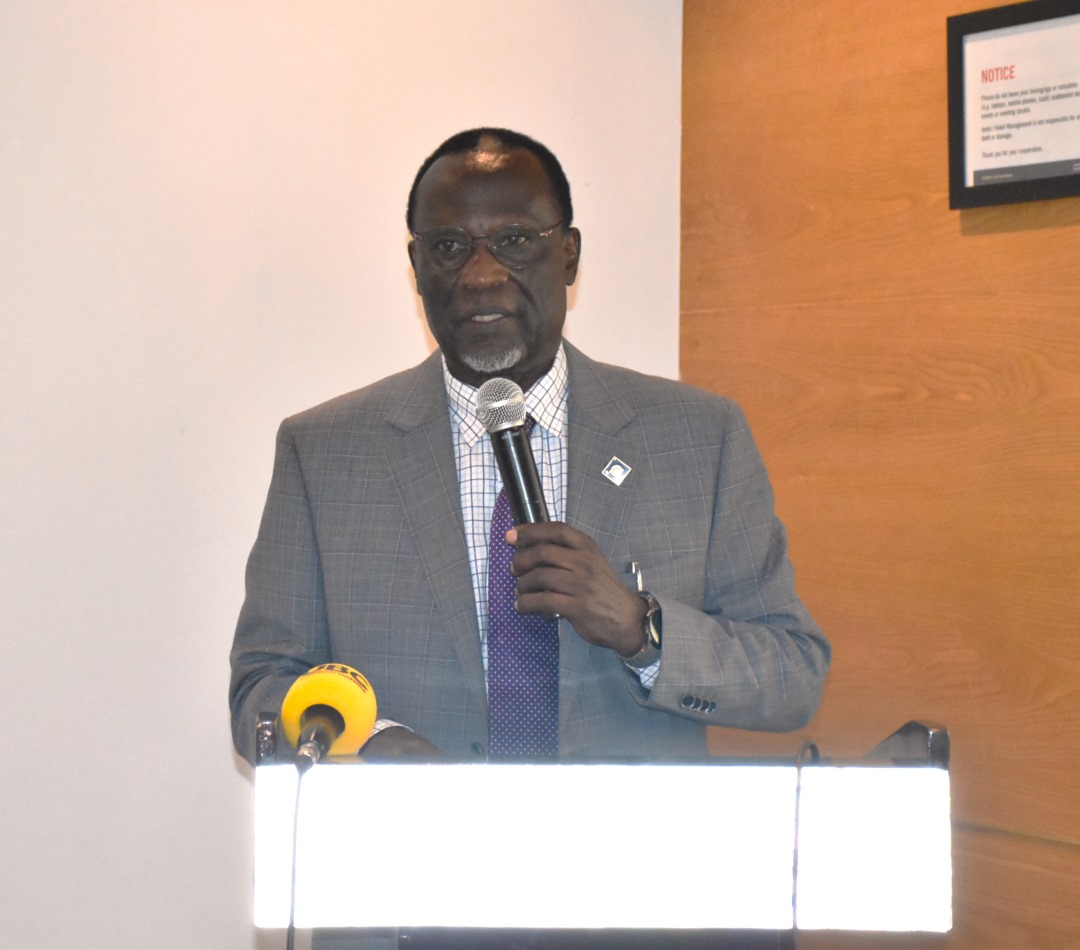
This diverse structure ensures that Uganda’s approach to wildlife hazard management is inclusive, scientifically informed, and aligned with both aviation and environmental interests. The committee is expected to play a key role in making Uganda a model for other states to follow in managing aviation safety risks related to wildlife.
In their closing remarks, speakers emphasized the need for urgency, innovation, and ongoing collaboration. With the legal framework, institutional support, and technical expertise now in place, Uganda is ready to take a leading role in wildlife hazard management. The ultimate goal is to make Uganda’s skies safer through regulation, coordination, and shared responsibility while also preserving the country’s rich natural environment

