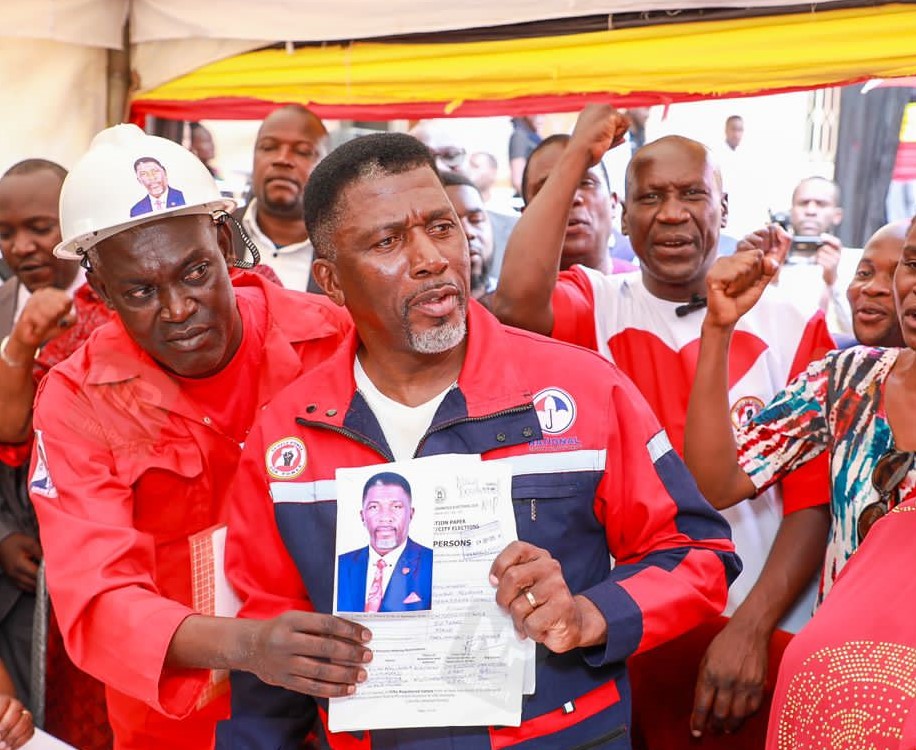
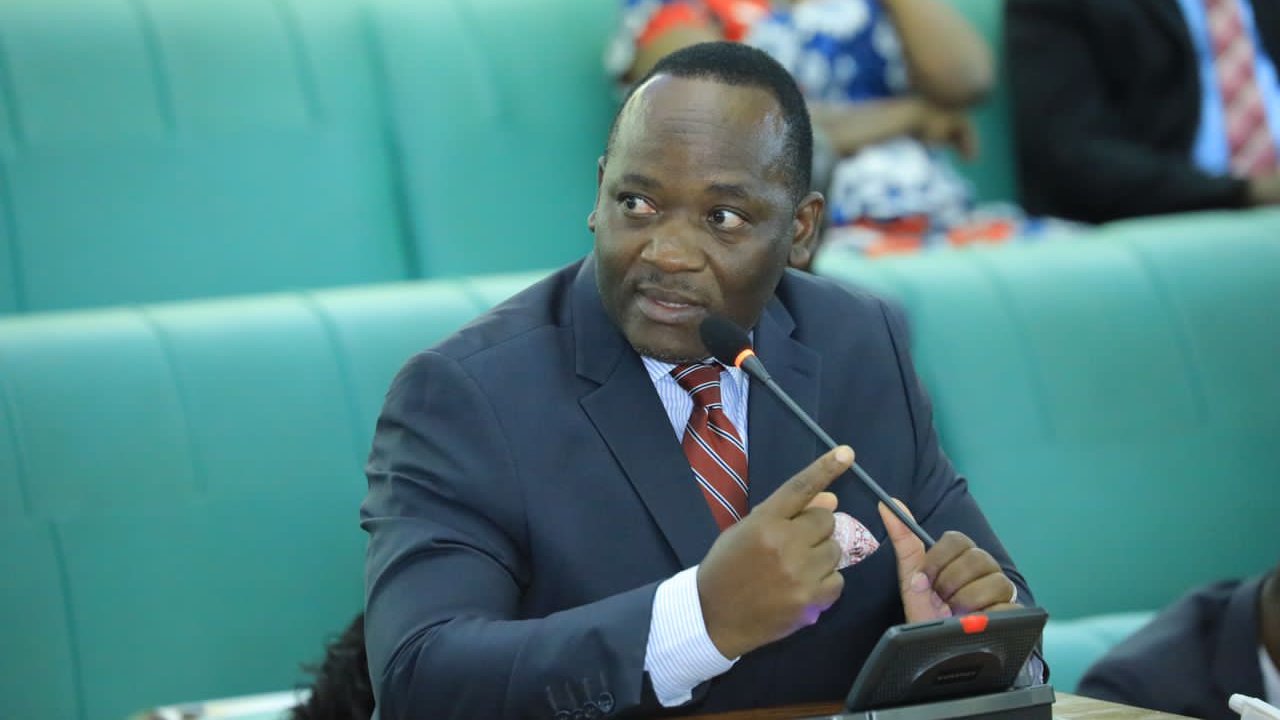
Mathias Mpuuga’s quest for Electoral Change is a bold move, but will it save his Masaka Seat in the 2026 Elections.
By Teddy Namayanja
Mathias Mpuuga’s quest for electoral change is indeed a bold move, but its impact on his Masaka seat in the 2026 election remains uncertain.
As the current Member of Parliament for Masaka Municipality Constituency, a position he’s held since 2011, Mpuuga faces a challenging road ahead. His feud with the National Unity Platform (NUP) has turned Masaka into a critical battleground for the 2026 elections
While his decision to introduce three Private Members’ Bills focused on electoral reforms may be seen as a strategic move to strengthen his position, he faces an uphill battle in winning over the hearts and minds of Masaka constituents, many of whom harbor reservations about his perceived leanings towards the National Resistance Movement.
Some key factors to consider in evaluating Mpuuga’s chances of retaining his seat include:
- Electoral History: Masaka has historically supported NUP’s Robert Kyagulanyi, who won 73% of the vote in the area ².
- NUP Dynamics: Mpuuga’s feud with NUP may impact his support within the party and the constituency.
Private Members’ Bills: A Powerful Tool
Private members’ bills allow individual MPs like Mpuuga to propose legislation on crucial topics, even if they’re not part of the government. These bills can lead to significant changes in the law, as seen in recent examples where private members’ bills have successfully prevented pet theft, provided unpaid leave for careers, and recognized British Sign Language as an official language.
Electoral Reforms: A Key Focus
Mpuuga’s proposed bills will likely tackle specific aspects of electoral reform, such as:
- Strengthening Electoral Commission Independence: Ensuring the electoral body remains impartial and free from external influence.
- Voter Registration and Verification: Improving the accuracy and security of voter rolls.
- Campaign Finance Transparency: Regulating and disclosing campaign funding sources.
By introducing these bills, Mpuuga seeks to address concerns surrounding Uganda’s electoral process and promote a more democratic and transparent system.
Next Steps
To move forward, Mpuuga will need to seek leave of parliament to introduce the bills. This involves obtaining permission from the parliamentary speaker or relevant authorities. Once introduced, the bills will undergo debate, review, and potential amendments before being put to a vote.
Ultimately, the outcome to Mpuuga’s quest for Electoral Change and its impact on his Masaka Seat will depend on various factors, including his ability to navigate the complex political landscape and connect with constituents.
We’ll be keeping a close eye on Mpuuga’s progress and the potential impact of these electoral reform bills on Uganda’s democratic landscape