


KCCA Leads the Way!! How Uganda’s Capital Is Benefiting from New Public Finance Reforms
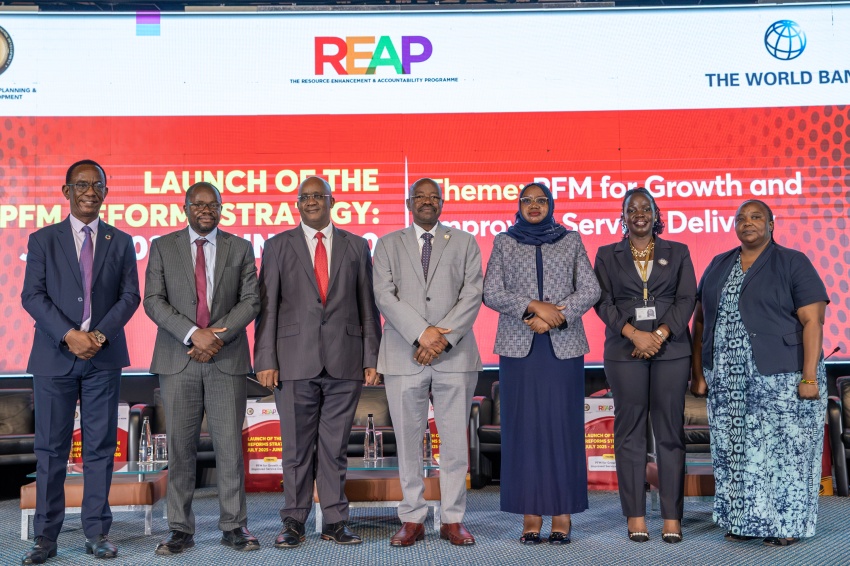
Uganda has taken a major step forward in improving how government money is planned, spent, and tracked. On July 24, 2025, the government launched a new Public Financial Management (PFM) Reform Strategy that will run from July 2025 to June 2030. The main goal is to grow the country’s economy and make public services like health, education, and infrastructure work better for everyone.
The launch event was held at the Serena Hotel in Kampala and was led by the Minister of State for Finance, Planning and Economic Development, Hon. Amos Lugoloobi, representing Prime Minister Robinnah Nabbanja. The theme of the event was “PFM for Growth and Improved Service Delivery”, and it brought together government officials, economists, civil society, academics, and private sector leaders.
Hon. Lugoloobi explained that Public Financial Management is the tool the government uses to turn plans into real results, such as roads, schools, and hospitals. He said strong financial systems are necessary to deliver on Uganda’s promises to its people. The strategy supports the country’s big dream—to grow its economy from $50 billion to $500 billion by 2040.
A key part of the strategy is using technology to make financial systems more transparent and efficient. The government is automating systems like the Integrated Financial Management System (IFMS), Electronic Government Procurement (eGP), and Human Capital Management (HCM). These systems will help reduce fraud, cut costs, and improve how money is managed and monitored.
During the event, the Executive Director of Kampala Capital City Authority (KCCA), Hajjat Sharifah Buzeki, shared how these reforms have already improved service delivery in the city. Before the changes, different departments had separate budgets and work plans, which made coordination hard. Now, with more uniform planning, it’s easier to track who is doing what—and whether they are delivering results.
She explained how automation has also made the government more efficient. Paperwork has been reduced, operations are cheaper, and financial records are easy to access—even those from ten years ago. Buzeki also mentioned the importance of setting and monitoring service delivery standards. She said these are not just ideas on paper, but real practices that are being followed.
A panel of experts also gave their views on the reforms. Professor Mike Okumu from Makerere University stressed the need to connect the strategy with wider economic plans. Julius Mukunda from CSBAG said the government must be flexible enough to adjust spending based on citizens’ real-time needs. Veronica Namwanje from the Uganda Small Scale Industries Association (USSIA) called for more private sector involvement to help carry out the reforms successfully.
The Permanent Secretary and Secretary to the Treasury, Ramathan Ggoobi, said the reforms would help make Uganda’s economy more inclusive and attract foreign investors. He added that fair taxation of international businesses is also part of the plan.
As this new strategy is rolled out, the government wants all its departments, local governments, and partners to take full ownership. The reforms are expected to improve how public investments are managed, boost returns on development spending, and ensure that the progress made continues well into the future.

