MUFUMBA PAUL: Strengthening Uganda’s Insurance Sector A Path to Economic Resilience.

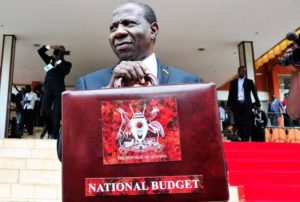
In the recent budget reading for the 2024/2025 fiscal year, Uganda’s Minister of Finance, Matia Kasaija, put a spotlight on the insurance industry, emphasizing its crucial role in enhancing financial inclusion and economic resilience. This strategic focus is a commendable step towards stabilizing and growing Uganda’s economy, especially in the face of global uncertainties and domestic challenges.
The minister’s plans to promote microinsurance are particularly memorable. By providing affordable insurance products to low-income households and small businesses, the government is addressing a significant gap in financial services. Microinsurance can mitigate risks for the most vulnerable populations, who are often the hardest hit by economic shocks, natural disasters, and health emergencies. This initiative is a proactive measure to safeguard the livelihoods of millions of Ugandans, ensuring that setbacks do not lead to financial distress.
Moreover, strengthening the regulatory framework is essential for fostering trust and sustainability in the insurance sector. Robust oversight and compliance measures will protect policyholders and ensure that insurance companies operate transparently and responsibly. This, in turn, can attract more investments into the sector, driving its growth and stability.
However, for these plans to be effective, several steps must be taken. Firstly, there needs to be a comprehensive public awareness campaign about the benefits of insurance, particularly microinsurance. Many Ugandans remain uninformed about how insurance can protect their assets and livelihoods. Educating the public can drive higher adoption rates and create a culture of risk management.
Secondly, the government should incentivize insurance companies to develop innovative products tailored to the unique needs of low-income groups and small businesses. Partnerships with technology firms can facilitate the creation of digital platforms that make insurance products more accessible and user-friendly.
Lastly, it is crucial to address any existing barriers to accessing insurance, such as high premiums and complex claim processes. Streamlining these processes can make insurance more attractive and reliable for potential policyholders.
In conclusion, the emphasis on strengthening the insurance sector in Uganda’s 2024/2025 budget is a forward-thinking move. By promoting microinsurance and enhancing regulatory frameworks, the government is laying the groundwork for a more resilient economy. However, the success of these initiatives will depend on effective implementation and public engagement. It is an opportunity that Uganda must seize to ensure a more secure and prosperous future for all its citizens.
mufumbapaulaustine@gmail.com
Insurance Underwriter and Host The Insurance 4Cus Podcast