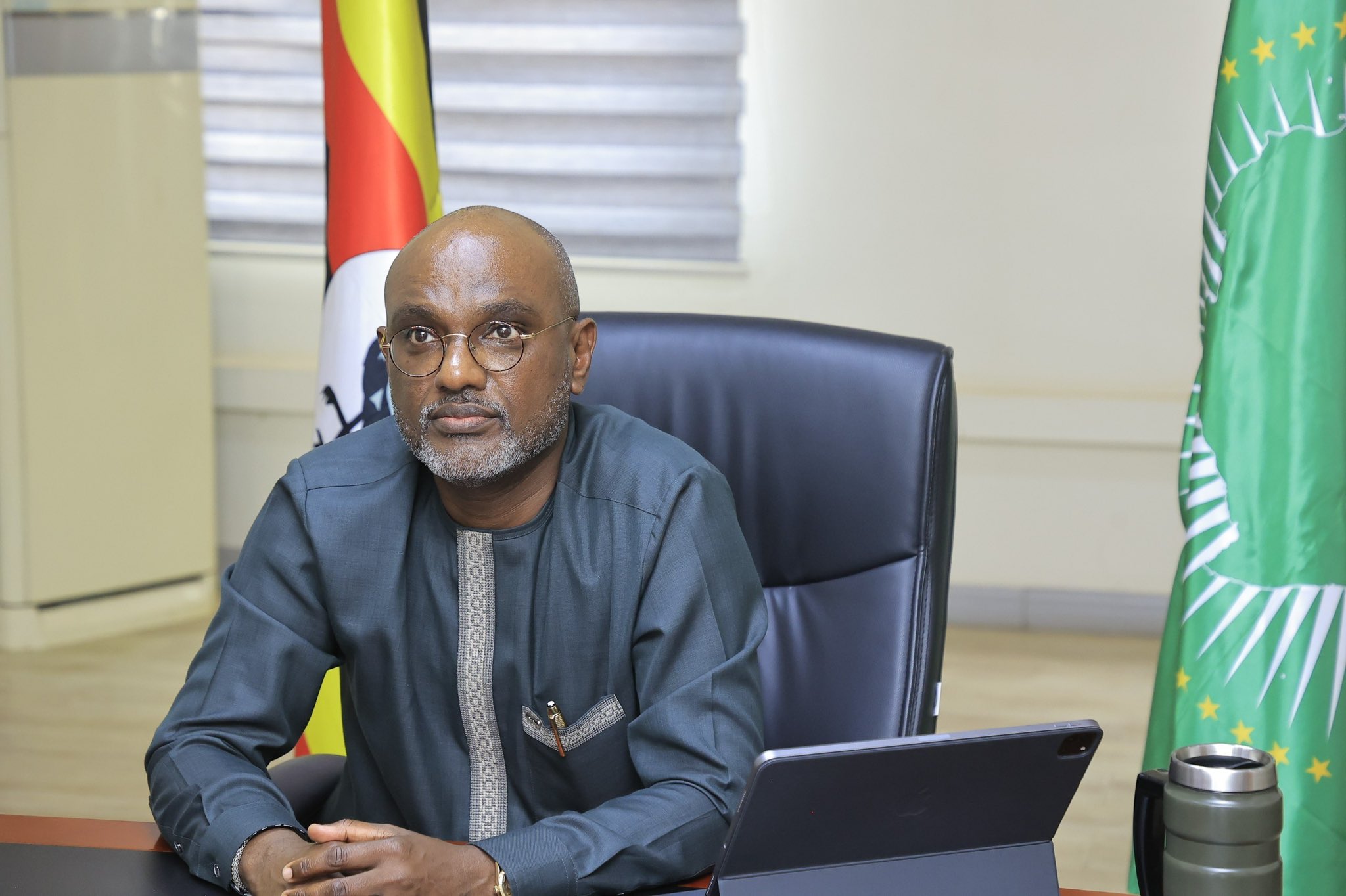
President Yoweri Kaguta Museveni of Uganda has renewed calls for comprehensive reforms of the United Nations Security Council (UNSC), insisting that Africa must be granted a stronger and more equitable voice in global governance. Delivering his message through Uganda’s Permanent Representative to the UN, Ambassador Adonia Ayebare, President Museveni advocated for the allocation of at least two Permanent Seats with veto power and two Non-Permanent Seats for African nations on the Security Council.
Museveni’s statement came during the 6th Summit of the Committee of Ten (C-10)—a specialized group within the African Union tasked with lobbying for UNSC reform. The summit, held virtually on Friday, July 25, 2025, was chaired by President Julius Maada Bio of Sierra Leone, who also serves as the C-10 coordinator.
The summit brought together key African leaders, including the presidents of Kenya, Equatorial Guinea, Libya, Namibia, and Zambia. Additional countries, such as Algeria, the Republic of Congo, and Senegal, participated through their foreign ministers. The collective message: Africa’s exclusion from permanent representation on the world’s most powerful security body is a historical injustice that must be corrected.
President Museveni emphasized that this demand is not a request for charity, but a long-overdue right. “Africa can no longer be sidelined in decisions concerning international peace, security, and development—especially when these decisions often impact the continent directly,” he stated.
Currently, the UNSC has five permanent members—China, the United States, Russia, the United Kingdom, and France—all of whom hold veto power. Many African leaders argue this structure reflects a post-World War II order that fails to account for today’s global realities, where Africa plays an increasingly significant role in geopolitics, economics, and international diplomacy.
The African Union’s C-10 has led efforts over the years to push for these reforms, working to amplify Africa’s position on the global stage. As international dynamics evolve, the call from President Museveni and his counterparts underscores growing pressure on the UN to become more inclusive and representative of the world it claims to serve.
The message from the summit is clear and unequivocal: Africa is no longer asking for a seat at the table—it is demanding it.