


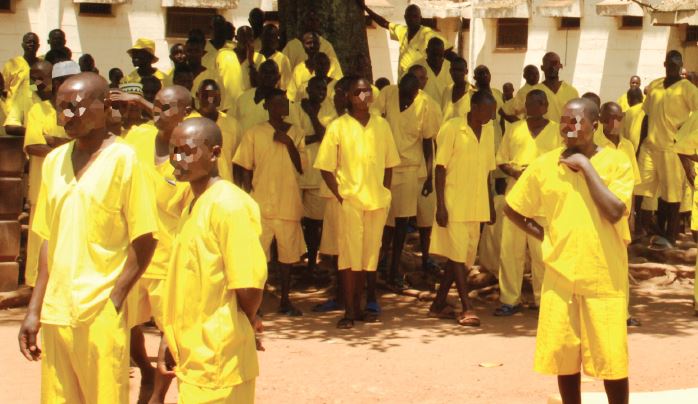
In Uganda, the death penalty exists on paper—but in practice, it has been largely dormant for over two decades. Since 1999, no executions have been carried out, leaving a complex legal and moral landscape for citizens, lawmakers, and human rights advocates.
A turning point came in 2009 when Uganda’s Supreme Court ruled that mandatory death sentences were unconstitutional. The decision forced courts to consider the unique circumstances of each case, signaling a shift from rigid enforcement to more nuanced judicial discretion.
Yet, the conversation around capital punishment has reignited in recent years. The controversial Anti-Homosexuality Act of 2023 introduced the death penalty for “aggravated homosexuality”—cases involving minors or people with disabilities. The law sparked international outcry, with human rights groups calling it discriminatory and a violation of basic human dignity.
For many Ugandans, the death penalty represents a paradox. Supporters see it as a tool to protect society and deter severe crimes. Critics, however, argue that it is an outdated and inhumane practice that does little to prevent crime while attracting global criticism.
As Uganda navigates its legal obligations, public safety concerns, and mounting international pressure, the debate over capital punishment continues. Whether viewed through the lens of morality, justice, or human rights, one thing is clear: the death penalty remains a contentious and unresolved issue in the nation’s legal and social fabric.

