


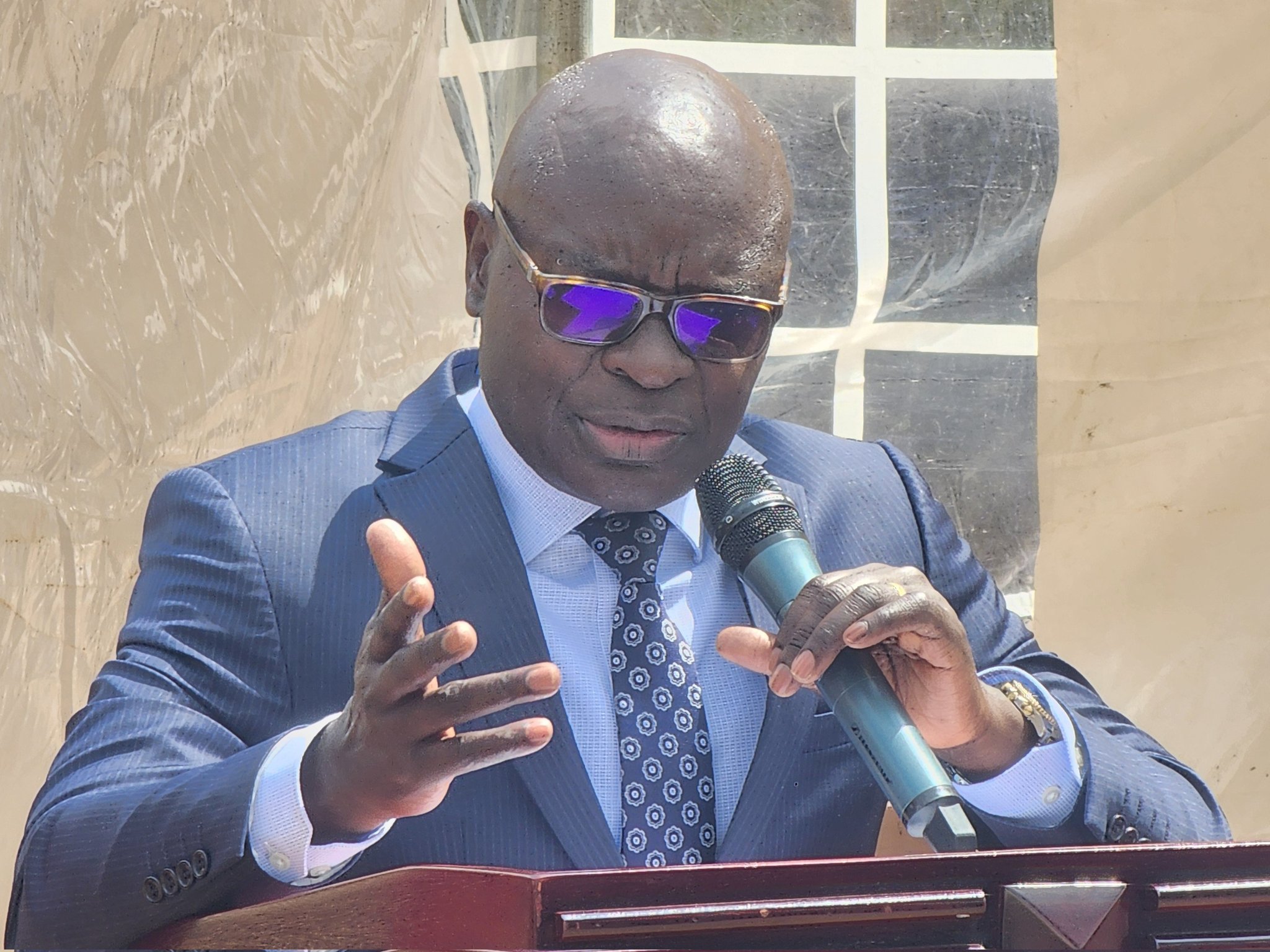
The Electoral Commission of Uganda has officially revised key dates in the roadmap for the upcoming 2025/2026 General Elections. In a press briefing held on July 18, 2025, Commission Chairperson Justice Simon Byabakama announced that the nomination dates for presidential candidates have been brought forward.
Originally scheduled for October 2–3, 2025, the presidential nominations will now take place earlier—on September 23 and 24, 2025. Justice Byabakama explained that the adjustment was made to provide ample time for essential post-nomination activities, including processing nomination returns, preparing and approving sample ballots, harmonising campaign schedules, and signing the Memorandum of Undertaking by nominated candidates.
“Maintaining the original dates would have left a narrow window for presidential campaigns,” he noted.
In addition to presidential nominations, the Electoral Commission reminded all political parties, independent candidates, and the public of other critical electoral milestones:
Local Government and Special Interest Group (SIG) nominations: September 3–12, 2025
Parliamentary nominations: September 16–17, 2025
Official campaign period for all elective positions: Mid-September 2025 to January 12, 2026
Polling period: January 12 to February 9, 2026
Justice Byabakama also outlined key requirements for presidential aspirants. In accordance with electoral law, candidates must be endorsed by at least 100 registered voters from at least two-thirds of Uganda’s districts—currently totaling about 97 districts. The Commission will soon release the official date when aspirants can begin collecting nomination papers and supporter forms.
The Commission also addressed the matter of academic qualifications for elective positions. Candidates seeking to run for President, Parliament, or District Chairperson must possess at least an Advanced Level certificate or an equivalent qualification. For those who studied outside Uganda, academic credentials must be verified by the National Council for Higher Education (NCHE). Only newly issued verification certificates will be accepted—those used in previous elections will not be valid.
However, candidates who attained their A-Level or higher qualifications within Uganda or studied under the former University of East Africa system are exempt from re-verification.
Justice Byabakama closed the briefing by thanking citizens and stakeholders for their continued engagement in the electoral process. He specifically acknowledged the participation of voters from Special Interest Groups—such as youth, persons with disabilities, and older persons—for their active involvement.
The Electoral Commission urged all Ugandans to remain peaceful, observe the electoral roadmap, and participate fully in the democratic process. A digital copy of the revised roadmap is now available on the Commission’s official website: www.ec.or.ug.

