


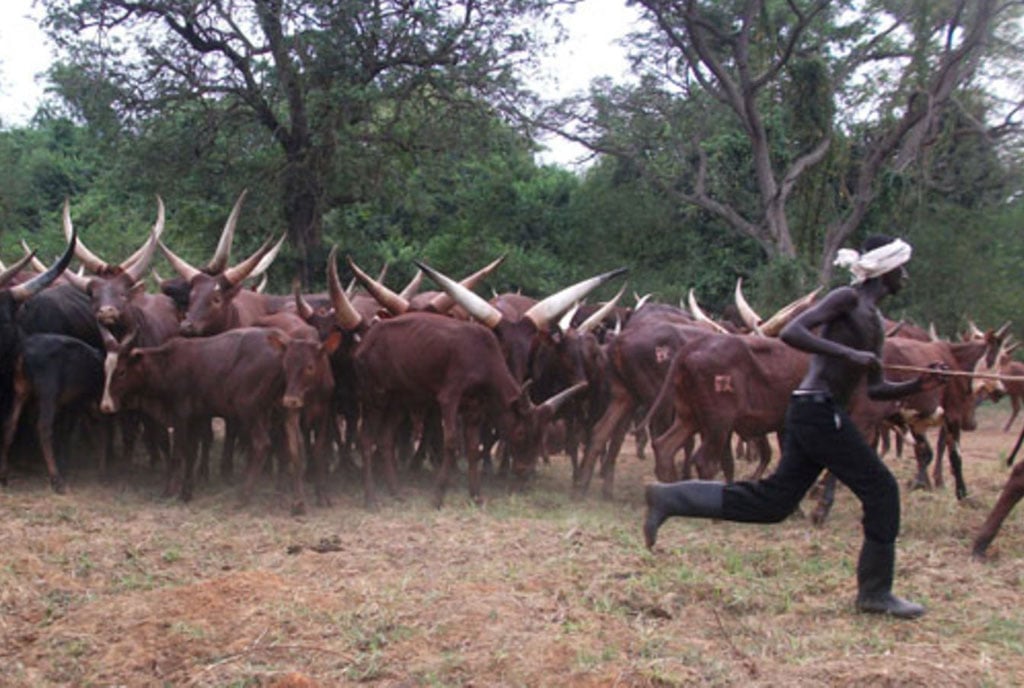
President Yoweri Kaguta Museveni has spoken out firmly about the growing land conflicts involving the Balaalo herdsmen in Northern, North Western, and Eastern Uganda. In a series of social media messages, the President responded to public concerns and misinformation being spread online about the Balaalo’s cattle-keeping practices. He pointed out several key problems and explained why government action against some of their activities is necessary.
One of the major issues the President raised is the Balaalo’s habit of letting their cattle graze on other people’s crops—a practice known locally as kwonesa. Museveni questioned whether such behavior reflects unity or patriotism. He explained that the Balaalo often move into new areas without properly fencing their land with barbed wire or chain links. As a result, their animals roam freely and destroy crops, leading to clashes with local farmers.
The President also noted that many Balaalo farms lack reliable water sources. During the dry season, this forces herdsmen to move their animals in search of water, often crossing into other people’s land. This movement not only causes further destruction of crops but also increases tension with local communities. Even those who have fenced their farms sometimes fail to provide water, which contributes to the problem.
Museveni also expressed concern about poorly planned fencing, which has blocked access to public spaces like the Nile River. He said such actions are unfair and have angered many local residents. These actions threaten peaceful coexistence and unity in Uganda.
On the matter of land ownership, the President clarified that the legality of buying or renting land is a job for lawyers and courts to handle. However, he stressed that even if someone owns land legally, they do not have the right to misuse it or allow their cattle to destroy other people’s crops. Land ownership, he said, must go hand in hand with responsibility and respect for others.
Responding to critics who say his executive orders are tribal or unfair, Museveni specifically addressed Andrew Mwenda, a well-known public commentator. He explained that his orders are not meant to stop Ugandans from moving freely within the country, but to prevent illegal and careless behavior, such as grazing animals in unauthorized places or on government land.
To illustrate his point, the President gave an example of a Munyoro woman named Adyeeri, a fruit farmer living in Nwoya. He said she is respected by the community because her farming does not interfere with others. “Crops do not eat other crops,” Museveni said, contrasting her peaceful farming with the destruction caused by free-roaming cattle.
He also revealed that some Balaalo have taken over government ranches meant for official projects like cattle breeding. Their unauthorized presence has disrupted these plans, leaving local communities frustrated and questioning why rules are not being followed.
In his final message, President Museveni reminded Ugandans that the country belongs to all citizens, but everyone must live respectfully and follow the law. He said grazing cattle on people’s farms without permission, blocking public roads, and ignoring rules will not be accepted. His message was not against migration or national unity, but against indiscipline, destruction, and disrespect for others. He called on all Ugandans to act responsibly, obey the law, and live in peace with one another.

