


By Amos Ssemuwemba
Jinja Regional Referral Hospital has made a significant leap in healthcare infrastructure with the completion of a state-of-the-art oxygen plant. The facility, now 95% complete, has drastically increased the hospital’s oxygen production capacity, positioning it as the primary oxygen supplier not only for the Busoga sub-region but also for areas such as Teso, Elgon, Karamoja, and parts of Northern Uganda.
This crucial development comes as a result of a project spearheaded by the Ministry of Health (MOH) and executed by the Uganda People’s Defense Forces (UPDF) engineering brigade, which began construction of the oxygen plant in 2022. Over the past month, a series of operational tests has been conducted by experts from both the MOH and Jinja Hospital to ensure the plant meets performance standards. These tests have shown promising results, with the plant consistently producing medical-grade oxygen required for acute care services and general wards.
Alfred Yayi, the Hospital Director, emphasized the transformative impact of this project, stating, “This development has not only reduced the burden on patients but has also positioned Jinja Hospital as the main medical support hub for health facilities across Busoga.” He highlighted the importance of oxygen, particularly in treating critical cases like complicated pregnancies, non-communicable diseases, and emergency situations such as road accidents.
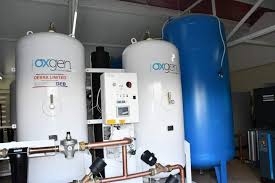
Prior to the plant upgrade, Jinja Hospital’s oxygen demand averaged 25 cylinders per day, but its older system could only generate up to 22 cylinders. As a result, the hospital often had to rely on private suppliers to meet the shortfall. However, the new plant now boasts a production capacity of 160-170 cylinders daily, a vast improvement that will meet the oxygen needs of all health facilities across the 11 districts of Busoga and the entire Eastern Uganda.
Samuel Wako, who is in charge of Jinja Hospital’s oxygen services, praised the efficiency of the new plant, which produces 20 cylinders every 45 minutes. “Our previous plant was slow and prone to breakdowns, making it difficult to meet the demand,” Wako explained. “With this new plant, we can now meet our daily targets comfortably.”
The increased capacity has also brought relief to hospital staff, who previously endured long hours to manage oxygen shortages. Wako noted that it used to take up to two weeks to fulfill the region’s daily oxygen needs, causing delays and adding extra, unpaid hours to the staff’s workload. “Now, with the new plant, staff can take regular days off and even enjoy weekends—a much-needed change.”
In addition to enhanced production, the plant is automated, significantly reducing the manual labor involved in handling oxygen cylinders. Automated fittings ensure a seamless workflow, minimizing the need for physical effort throughout the production process.
This advancement marks a turning point for Jinja Regional Referral Hospital, setting it on course to becoming the leading oxygen supplier for health facilities across the Eastern region of Uganda. With its enhanced oxygen production capacity, the hospital is well-positioned to improve healthcare delivery and respond to emergencies with greater efficiency

