


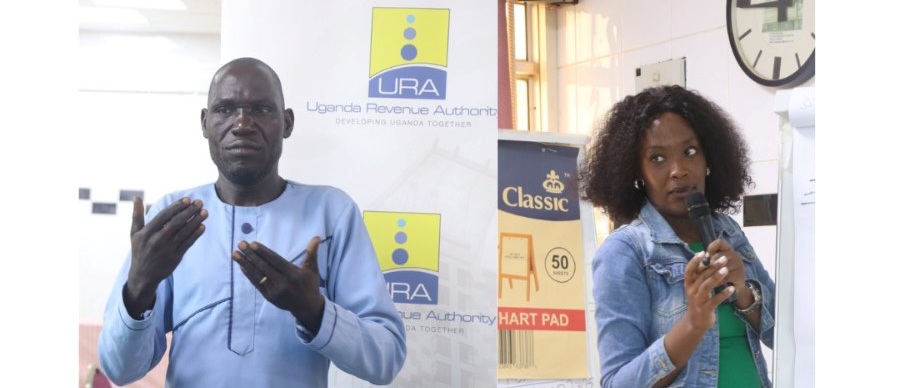
In a powerful step towards inclusion, the Uganda Revenue Authority (URA) has extended its tax education campaign to Persons with Disabilities (PWDs) in Gulu City. This special outreach was designed to help PWDs understand their tax responsibilities and how to formalize their small businesses. Many of the participants are involved in tailoring, small-scale farming, and informal trading areas where formal knowledge about tax is often missing.
For most of the attendees, this was their very first time directly engaging with URA officials. Sharon Natukunda, a facilitator from the Tax Education team, shared that while URA has done similar sessions in Kampala and recently in Lira, Gulu’s PWDs are now being included in the drive. “We promise to come to you more often,” she said, giving hope to many who had long felt left out.
During the training, participants learned how to get a Tax Identification Number (TIN) a crucial first step in registering a business. The URA team patiently explained the registration process, highlighting the common errors that often delay approvals.
They also taught the importance of record keeping. “Keeping track of your sales, purchases, and expenses isn’t just for URA. It helps you know whether your business is growing,” Natukunda explained, making the topic simple and practical.
As in other regions, many PWDs in Gulu were eager to learn more about the tax benefits and exemptions meant specifically for them. They asked for easier access to this information and clearer guidance on how to qualify.
Andrew Kyakonye, another officer from the URA’s Tax Education team, reassured them that such benefits do exist especially for importing assistive tools like wheelchairs and crutches. However, he warned that the exemptions only apply when the PWD imports the items in their own name. “If a businessperson or agent imports it for you, you might lose that benefit,” he stressed.
Kyakonye went on to explain how PWDs can correctly apply for these incentives and take full ownership of their businesses. The session was not just about taxes it was about empowerment, dignity, and ensuring that PWDs get the support they deserve.
URA’s outreach in Gulu is part of a bigger promise to include everyone in building a stronger economy. By focusing on education and access, they are helping ensure that no one is left behind.

