


The Bank of Uganda, established in 1966, is the central bank of Uganda, responsible for promoting economic stability and growth. Over the years, the bank has had nine governors, each contributing to its development. Here is a profile of all the governors and how they have shaped the bank’s trajectory.
Governors of the Bank of Uganda
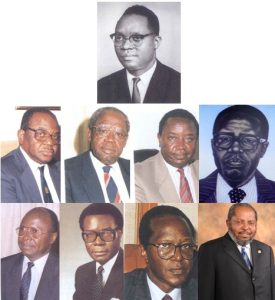
1. Joseph Mary Mubiru (1966-1971): The first governor, Mubiru laid the foundation for the bank’s operations.
2. Moses Ssemyano Kiingi (1971-1973): Kiingi’s tenure was marked by economic challenges posed by Idi Amin’s regime.
3. Onegi Obel (1973-1978): Obel navigated the bank through turbulent economic times.
4. Henry Kajura (1978-1979): Kajura’s brief tenure saw significant economic reforms.
5. Charles Kikonyogo (1979-1981, 1990-2000): Kikonyogo served two non-consecutive terms, implementing key economic policies.
6. Gideon Nkojo (1979-1981): Nkojo’s tenure focused on stabilizing the economy.
7. Leo Kibirango (1981-1986): Kibirango’s leadership saw significant economic growth.
8. Suleiman Kiggundu (1986-1990): Kiggundu’s tenure was marked by economic restructuring.
9. Emmanuel Tumusiime-Mutebile (2001-2022): Mutebile’s 20-year tenure saw significant economic reforms.
Current Operations
The Bank of Uganda’s current operations focus on:
1. Monetary Policy: Maintaining price stability through interest rates and reserve requirements.
2. Financial Stability: Supervising and regulating financial institutions.
3. Currency Management: Managing Uganda’s currency, the Shilling.
4. Payment Systems: Overseeing the national payment system.
5. Financial Inclusion: Promoting access to financial services.
Key Initiatives
1. National Payment System: Implementing a real-time gross settlement system.
2. Digital Banking: Encouraging digital banking services.
3. Financial Literacy: Educating the public on financial management.
4. Inflation Targeting: Maintaining inflation within a target range.
Challenges and Future Directions
The Bank of Uganda faces challenges such as:
1. Inflation: Managing inflationary pressures.
2. Currency Fluctuations: Maintaining exchange rate stability.
3. Financial Sector Development: financial sector growth.
To address these challenges, the bank aims to:
1. Strengthen Monetary Policy: Enhance policy effectiveness.
2. Improve Financial Regulation: Strengthen regulatory frameworks.
3. Promote Financial Inclusion: Increase access to financial services.
Leadership
The current Deputy Governor, Michael Atingi-Ego (2020-present), aims to build on the bank’s progress, focusing on economic stability, financial inclusion, and innovation.
The Bank of Uganda’s history and current operations demonstrate its commitment to promoting economic growth.

