


By Teddy Namayanja
As Uganda prepares for the highly anticipated 2026 general elections, the electoral landscape is abuzz with activity. Political parties are intensifying their internal preparations, to ensure effective selection of candidates who will vie for top seats. The Electoral Commission is also working tirelessly to prevent past errors, implement electoral reforms and conduct more effective voter education programs.
In this special feature, we delve into the vital importance of accurate voter registration and effective electoral area demarcation in ensuring a free, fair, and credible election.
Accurate voter registration and effective electoral area demarcation are the cornerstones of democratic elections. These processes ensure that citizens’ voices are heard and that the outcome of the election truly represents the will of the people.
In fact, studies have shown that accurate voter registration is crucial in preventing electoral fraud and maintaining the integrity of the poll. This is because it prevents duplicate entries, ineligible voters, and incomplete registers that can mar the electoral process and undermine trust in the outcome.
Effective electoral area demarcation is equally important as it promotes representation and accountability. This process involves dividing the electoral area into manageable units to facilitate voting and representation. Proper demarcation prevents confusion and disputes during the electoral process, ensuring that voters are allocated to the correct polling stations.
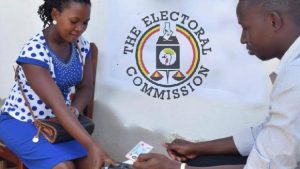
In Africa, for instance, countries like Uganda, Ethiopia, and Somalia have faced challenges in ensuring credible and peaceful elections in previous elections due to issues with voter registration and electoral area demarcation. It’s against this background that Uganda’s Electoral Commission has taken significant steps to ensure a smooth 2025/2026 General Election process.
They released a revised roadmap on July 30, 2024, outlining key activities, including:
• Field Demarcation of Constituencies and Electoral Areas: This took place from August 6-16, 2024, to redefine electoral areas and polling stations.
• Display of Constituencies and Polling Stations: From September 20 to October 11, 2024, the Commission displayed updated electoral areas and polling stations at sub-counties and parishes for public scrutiny.
• Receiving and Handling Complaints: Currently, the Electoral Commission is addressing complaints arising from the demarcation of electoral areas and reorganization of polling stations.
These efforts aim to promote transparency and accountability in the electoral process. The Commission’s chairperson, Justice Simon Byabakama, emphasized the importance of early planning to accommodate any changes and ensure every eligible voter can participate without hindrance.
“Accurate voter registration is the cornerstone of any successful democratic election. It ensures that only eligible citizens participate in the electoral process, preventing electoral fraud and maintaining the integrity of the poll.” Byabakama noted during the official release of the Revised Roadmap for the 2025/2026 General Elections in July.
The Importance of Accurate Voter Registration
Accurate voter registration is crucial in preventing electoral fraud and ensuring that only eligible voters participate in the election. The Electoral Commission introduced the Photographic Voter Registration and Identification System (PVRIS) in 2011 to increase accuracy. This system has helped to identify and eliminate duplicate entries, thereby reducing the risk of electoral malpractices.
In addition to preventing fraud, accurate voter registration also ensures that all eligible voters are included in the electoral process. This is particularly important in transitional democracies, where completeness and accuracy of voter lists are essential. A comprehensive voter register helps to build trust in the electoral process and promotes citizen participation.
The Importance of Effective Electoral Area Demarcation
Effective electoral area demarcation is equally vital in ensuring that elections are free and fair. This process involves dividing the electoral area into manageable units to facilitate voting and representation. The Electoral Commission is responsible for demarcating electoral areas and reorganizing polling stations
Proper demarcation helps to prevent confusion and disputes during the electoral process. It also ensures that voters are allocated to the correct polling stations, reducing the risk of electoral irregularities. Furthermore, effective demarcation promotes representation and accountability, as elected representatives are held accountable to their constituents.
Challenges of Inaccurate Voter Registration
Inaccurate voter registration has been a problem in previous elections, leading to disputes and electoral malpractices. For instance, duplicate entries and ineligible voters can skew the electoral outcome, undermining the legitimacy of the election.
The Electoral Commission has always taken steps to address these challenges through voter education and outreach programs. These initiatives aim to promote citizen awareness and participation in the electoral process.
“By ensuring that voter registers are accurate and comprehensive, and electoral areas are properly demarcated, citizens can trust the electoral process and participate fully in the democratic exercise.” Mr. Julius Mucunguzi, the Head of Public Relations and Spokesperson Electoral Commission, said, in an exclusive interview.
Activists have for long questioned the Commission’s impartiality and ability to conduct credible elections, sparking a contentious debate about the country’s democratic process. The Commission, however, vehemently denies these accusations, emphasizing its commitment to independence and adherence to Uganda’s legal framework.
Critics point to factors such as budgetary allocations being insufficient to address voter harassment and intimidation, discrepancies in voter registration, and delays in the voting process.
The controversy surrounding the Electoral Commission’s role in ensuring free and fair elections has become a recurring theme in Uganda’s political landscape. With the country’s complex electoral history, it’s essential to address these concerns to restore trust in the democratic process.
The Importance of Accurate Voter Registration
As Uganda prepares for the 2026 elections, the Electoral Commission must prioritize these processes to ensure a free, fair, and credible election.
Report compiled Ms.Teddy Namayanja; she’s a Staff Writer at SML News UG, passionate about Politics, Justice, Law & Order and Human Rights.
