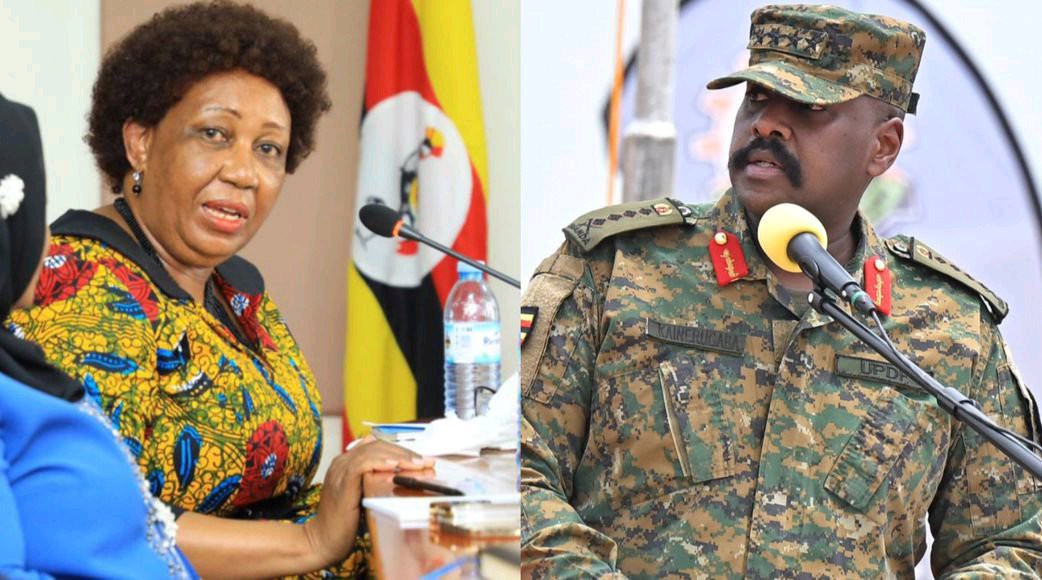
Miriam Wangadya, Chairperson of the Uganda Human Rights Commission (UHRC), has firmly responded to recent criticism and threats from General Muhoozi Kainerugaba, Uganda’s Chief of Defence Forces. Reaffirming the Commission’s constitutional mandate, Wangadya declared that she will not apologize and emphasized UHRC’s duty to hold all state actors accountable, including senior military officials.
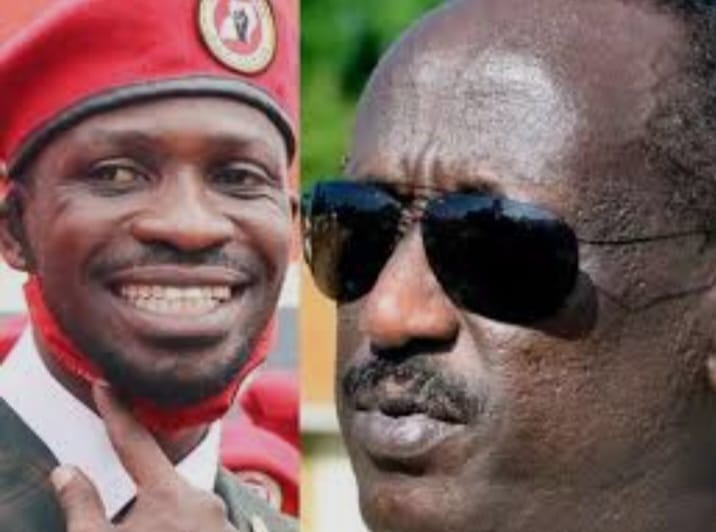
The clash arose following a letter from Wangadya urging the release of Eddie Mutwe, head of security for the opposition National Unity Platform (NUP). The appeal reportedly provoked General Muhoozi, who took to social media platform X (formerly Twitter), calling the letter “stupid” and demanding an apology.
Undeterred by the backlash, Wangadya stood her ground. She dismissed Muhoozi’s remarks and threats, stating that her actions align with the Commission’s legal responsibilities.
“I will not be intimidated or silenced by anyone, no matter their position,” she asserted, emphasizing that UHRC operates independently and is committed to promoting and protecting the rights of all Ugandans without fear or favor.
She clarified that the letter concerning Eddie Mutwe was issued in good faith and reflected legitimate concerns regarding prolonged detention without due process. Such issues, she noted, fall squarely within UHRC’s oversight mandate and raise serious questions about adherence to the rule of law.
The standoff has drawn attention to broader tensions between civilian oversight bodies and military leadership in Uganda. While the military wields significant influence in the country’s political framework, human rights advocates like Wangadya continue to call for transparency, accountability, and respect for civil liberties.
Civil society organizations and legal experts have rallied behind Wangadya, praising her for standing firm in defense of constitutional governance. Many see her stance as essential to safeguarding institutional independence and ensuring that no official is above accountability.
The controversy has reignited debate around the separation of powers, the role of the military in politics, and the imperative of protecting independent oversight bodies like the UHRC.
Although the government has yet to issue an official response, the situation underscores ongoing struggles between authoritarian pressures and democratic checks and balances in Uganda’s governance landscape.
As the story unfolds, observers are watching closely to see whether the country’s institutions will emerge stronger or face deeper challenges ahead.