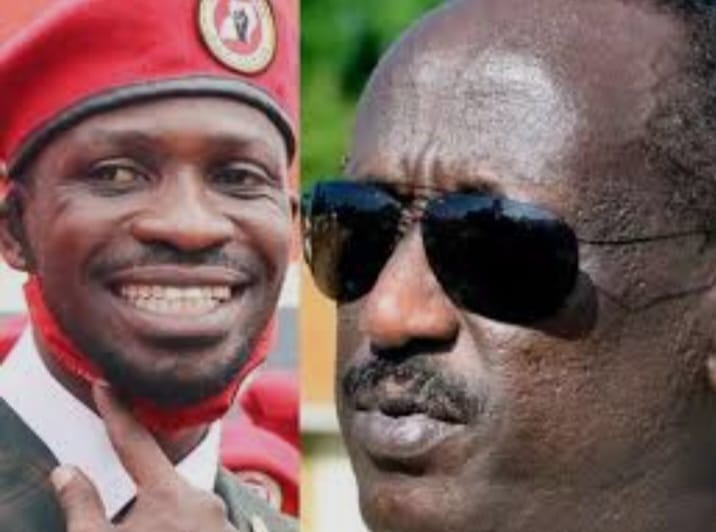
The recent passing of the National Coffee Amendment Bill, 2024, in Uganda’s Parliament was marred by chaos, violence, and allegations of brutality. This isn’t the first time such incidents have occurred in the Ugandan Parliament, with similar events unfolding in 2017 and 2013 during contentious debates of ‘Togikwatako’ and ‘The Public Order Management Bill’.
The tension was palpable from the start; with opposition leader Joel Ssenyonyi calling for Speaker Anita Among to apologize for alleged tribal statements. Her refusal sparked uproar, and the situation escalated when MP Francis Zaake was assaulted by Kilak North MP Anthony Akol.
The Disturbing Pattern
It’s alarming to see the recurring pattern of heavy security deployment, including plainclothes personnel, during contentious parliamentary debates. This has become a disturbing hallmark, often accompanied by the assault and intimidation of opposition MPs, who seem to be consistently targeted. The restriction of media coverage, including barring journalists from proceedings and cutting off live feeds, further exacerbates the issue.
This raises serious concerns about the erosion of democratic principles and the suppression of dissenting voices.
“It seemed like a deliberate setup. Upon arriving at Parliament, we encountered an unusual and intimidating atmosphere. Heavy security deployment, including personnel in and out of uniform, obstructed access to the premises. The lights were switched off, and the network was down, disrupting connectivity. We were then confronted by plainclothes individuals, resembling thugs, wearing vests and tight shirts. When we inquired about their identity, they aggressively shoved us around, clearly acting on the Speaker’s instructions”. Hon. Joel Ssenyonyi, told journalists on Wednesday, November 7, 2024, before the plenary vote on the Coffee Amendment Bill, 2024.
This perhaps explains why some characters in the opposition resort to violence – they feel their rights are being consistently denied, leading to frustration and desperation.
Medard Lubega Sseggona, the Member of Parliament for Busiro County East Constituency, recently shared his thoughts in an exclusive interview with SML News Uganda. He emphasized that while chaos is never the answer, opposition members often feel driven to react in certain ways due to being systematically denied their rights. This sentiment echoes the frustrations of many Ugandans who feel marginalized and silenced.
“Let’s also think about what has forced people to get here. There’s a break down in our systems. The Ugandan opposition has faced numerous challenges, including heavy security deployment, assault, and intimidation of MPs. This toxic environment can drive individuals to extreme measures. In this context, it’s essential to recognize that violence is not inherent to the opposition but rather a symptom of a broader systemic issue. Addressing the root causes of this violence is crucial to finding a peaceful resolution. By understanding the complexities of the situation, we can work towards creating an environment where democratic principles are respected, and all voices are heard” Sseggona told SML News UG in an exclusive interview.
In the past, Uganda’s parliament has shown instances of effective oversight, even when dominated by the ruling party. For instance, between 1996 and 2001, parliament moved from plenary-based to committee-based oversight, tackling issues in-depth and summoning ministers to testify. However, recent trends suggest a decline in parliamentary independence and oversight.
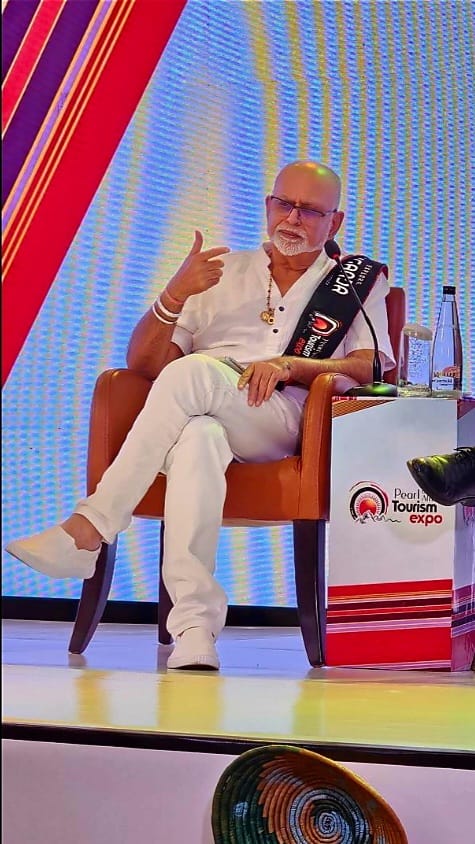
These democratic failures are one of the reasons Godber Tumushabe has become a strong critic of President Museveni. As a renowned policy analyst, lawyer, and social entrepreneur, Tumushabe has been vocal about Uganda’s democratic shortcomings. With a background in international law, human rights, and environmental policy, Tumushabe’s expertise lends weight to his critiques of Museveni’s regime.
“Museveni’s inability to deliver on promised fundamental change and economic growth since taking power in 1986 has frustrated me beyond what I can explain. I’m a vocal critic of President Museveni because he has failed this country in every possible way. As a young person back then, I was excited about the prospect of a new era, but unfortunately, none of those promises have materialized. Instead, Museveni has amended Uganda’s constitution to suit his interests and has consistently demonstrated a disregard for the rule of law. If I were given the opportunity to lead this country, I would streamline the government with just 15 ministers, focusing on efficiency and effectiveness. The current administration lacks transparency and accountability, with ministers’ roles and outputs unclear”. Godber told Sir Simon Muyanga Lutaaya on the Inside-Out talkshow.
According to Godber, Museveni’s manipulations of the constitution and disregard for democratic institutions have eroded trust between citizens and the government. The recent violence unleashed on citizens, including torture, kidnappings, and killings, is alarming. It’s unacceptable that Ugandans must risk their lives to elect a new president, a hallmark of authoritarian rule.
Tumushabe’s disillusionment with Museveni’s regime is shared by many Ugandans who feel marginalized and silenced. The recent trends of heavy security deployment, assault, and intimidation of opposition MPs, as well as restrictions on media coverage, have only exacerbated tensions.
These incidents suggest a worrying trend where the government uses strong-arm tactics to silence opposition and suppress dissent.
Previous Incidents
- December 20, 2017: Togikwatako debate, where the presidential age limit was lifted from the constitution.
- August 6, 2013: Passage of the Public Order Management Bill.
It’s crucial to recognize that these events undermine the democratic process and perpetuate a culture of fear and intimidation.
UPDF denies allegations of assaulting MPs.
We spoke with Brig. Col. Felix Kulayigye, spokesperson of the Uganda People’s Defence Forces (UPDF), regarding the allegations of the Special Forces Command (SFC) assaulting legislators. Brig. Col. Kulayigye denied allegations that its Special Forces Command (SFC) unit assaulted Members of Parliament during the recent passing of the Coffee Amendment Bill. Brigadier Kulayigye emphasized that the SFC is an integral part of the UPDF and that the government has a responsibility to ensure all its arms function properly. He defended the SFC’s presence in Parliament, citing sabotage by some legislators and the need for executive intervention.
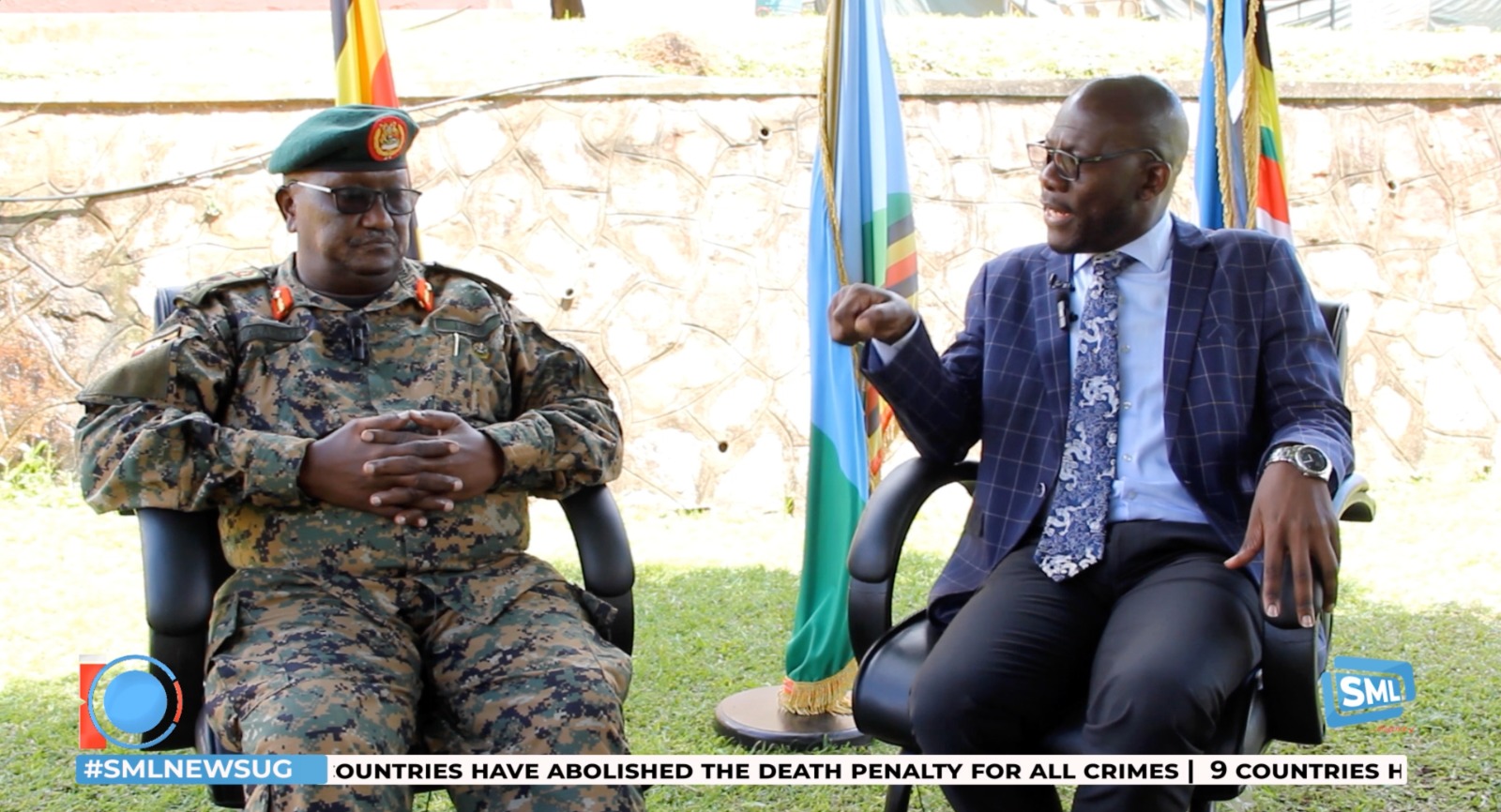
“In Parliament, debate and legislation are paramount. If an honorable member sabotages the Speaker, they risk suspension. Refusal to comply may lead the Speaker to instruct the Sergeant-at-Arms to remove the member. However, as an honorable member, choosing to disrupt proceedings and refusing to leave when asked by both the Speaker and the Sergeant-at-Arms, raises questions about one’s intentions. Separately, I question allegations that the SFC removed MPs. Without evidence of uniforms or credible eyewitness accounts, jumping to conclusions can be detrimental. It’s crucial to avoid spreading rumors and speculation, which can harm public discourse. Instead, we should focus on facts and constructive dialogue to address concerns”. Br. Col. Felix Kulayigye told SML News UG in an exclusive interview.
The continuous presence and involvement of the military in parliamentary affairs has raised concerns about the balance of power and democratic control, fueling an ongoing debate about the appropriate role of the army in Uganda’s legislative body.
These concerns highlight the complexity of the issue and the need for nuanced discussion.
A Call to Action
Ugandans must demand greater transparency and accountability from their government.
“As a nation, we deserve better. We deserve a government that prioritizes its citizens’ needs, respects democratic principles, and fosters trust and accountability”. Godber Tumushabe, political analyst.
Godber insists that Parliament has a critical role to play in thinking carefully about the decisions it makes today, as they will not only impact the present but also have far-reaching consequences for the future, potentially affecting its own members tomorrow.
In fact, this thoughtful approach is essential for upholding the principles of good governance, accountability, and the rule of law. By considering the long-term implications of their decisions, parliamentarians can ensure that they are acting in the best interests of the people they serve and the institution as a whole
This reflective approach also helps to prevent the concentration of power and promotes a system of checks and balances, which is vital for maintaining democratic norms