


By Teddy Namayanja
Isaac Ssemakadde Kimaze, the newly elected president of the Uganda Law Society (ULS), has made a bold move by expelling Attorney General Kiryowa Kiwanuka and the Solicitor General from the organization. This decision comes just weeks after Ssemakadde took office, and it’s aimed at restoring public trust in the legal profession amidst growing concerns over integrity and accountability in Uganda’s justice system.
According to Ssemakadde, “the expulsion is a necessary step to protect the independence of the ULS and ensure that the organization remains committed to upholding the rule of law”. Despite this, Kiwanuka will still remain a member of the ULS.
The ULS has raised several concerns about Kiwanuka’s conduct, including:
- Conflict of Interest: Kiwanuka and the Solicitor General’s presence on the ULS council as ex-officio members are seen as incompatible with the organization’s autonomy.
- Professional Misconduct: Forensic investigations have been opened into Kiwanuka’s alleged misconduct, including violating constitutional law related to his private legal practice and financial misconduct related to land compensation.
- Undermining Judicial Independence: Kiwanuka is accused of misleading the cabinet on matters of judicial independence, resulting in legal repercussions and interfering in judicial appointments, eroding public confidence in the judiciary.
- Restricting Access to Justice: Kiwanuka imposed an unpopular decision requiring a fee for accessing Ugandan laws digitally, hindering access to justice and the rule of law.
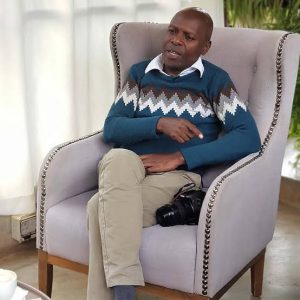
According to Timothy Kalyegira, a seasoned political analyst, Isaac Ssemakadde’s presidency of the Uganda Law Society is expected to be a double-edged sword. On one hand, his bold moves may resonate with the public who have been yearning for change and the upholding of the rule of law.
“He’s likely to be seen as a champion of justice, particularly in civil and human rights advocacy, which could earn him popularity”. He said in an exclusive interview.
On the other hand, his unconventional approach may raise concerns among lawyers about his leadership style and ability to navigate the complexities of the legal profession. Some lawyers might even question his normalcy, drawing parallels with Idi Amin’s regime, given the potential for chaotic incidents during his tenure.
“He’s going to have a chaotic term as President. He will be a political success that is to say popular with the public that have for long been demanding for Justice and the Rule of Law while’s a legal failure to many lawyers”. Kalyegira added.
Key Areas of Concern:
- Legal Aid Expansion: Ssemakadde’s commitment to increasing access to justice for the poor and vulnerable
- Rule of Law: His efforts to uphold the rule of law and promote accountability within the legal profession
- Leadership Style: His unconventional approach and potential conflicts with lawyers and other stakeholders
Kalyegria further contends that Ssemakadde’s move is a significant step towards promoting transparency and accountability within the ULS and Uganda’s justice system.
“As the new president, he’s coming through with his pledge to serve all Ugandans in the pursuit of justice, with a focus upholding the rule of law”. He reiterated.
Kalyegira had earlier shared his thoughts on X former Twitter, predicting Isaac Ssemakadde’s rise to prominence. By the end of 2024, Kalyegira estimated that Ssemakadde will be among Uganda’s top three most tracked male public figures on Google, thanks to his bold and militant approach, which even surpasses that of notable figures like Besigye and Bobi Wine.
Kalyegira started monitoring Google data on Ssemakadde on September 29, noting that lawyers typically tend to be cautious and image-conscious. However, the Uganda Law Society’s landslide election of Ssemakadde, a maverick, indicated a critical mass desire for better governance. According to Kalyegira, this shift was significant, as the white-collar class is no longer detached from the country’s political climate.
It’s worth noting that Uganda’s current social and economic landscape may be contributing to this desire for change. With a population growth rate of 2.8% and a poverty headcount ratio of 42.1%, the country faces significant development challenges. The election of Ssemakadde signals a growing demand for leadership that addresses these issues.