


The recent promotions of seven senior police officers to the rank of Assistant Inspector General of Police (AIGP) by President Yoweri Museveni have been met with mixed reactions from political analysts, human rights activists, commentators and the public. While some have welcomed the move as a step towards reforming the police force, others have expressed skepticism about the ability of the new officers to effect meaningful change.
The promotions by their very nature are recognition of one’s good service and as such, when officers are promoted, they’re expected to do better.
The officers now face a daunting array of tasks that will test their leadership, expertise, and commitment to reform. Top among these challenges is addressing the perennial issue of human rights violations, upholding the rule of law and corruption within the police force.
“Our appeal would be that they should do as much as possible to professionalize the police force, to ensure that the force upholds the rule of law, human rights standards and improve cooperation with the citizenry”. Dr. Livingstone Ssewanyana, the Executive Director Foundation for Human Rights Initiative (FHRI) said.
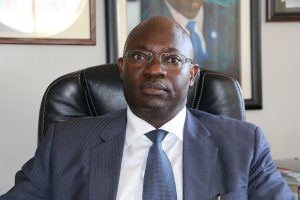
Activists, opposition politicians and the public have long complained about abuse of rights, freedom of expression, assembly and association, extortion, bribery, and other forms of corruption, which have eroded trust in the police.
The new AIGPs now have a critical task to overhaul the police’s human rights record, which has been marred by allegations of torture, extrajudicial killings, and other abuses.
“If human rights violations continue and the force behaves arbitrary, then of course we will not see the value of these promotions. These are officers who are expected to perform better. We hope that in the run up to 2026 elections, the abuses will be minimal compared to what we have experienced in the past”. Dr. Ssewanyana emphasized.
Another critical task facing the new AIGPs is implementing police reforms aimed at enhancing accountability and transparency.
Additionally, the promoted officers must work to restore public trust and confidence in the police force. This requires building bridges with communities, engaging in outreach programs, and demonstrating a commitment to serving and protecting all citizens, regardless of their background, political affiliation, religion or social status.
The new AIGPs will also be expected to tackle the rising tide of crime, including violent crimes like murder, robbery, and kidnapping. This demands innovative strategies, improved intelligence gathering, and effective collaboration with other security agencies.
Furthermore, the promoted officers will need to navigate the complex web of politics and patronage that often influences police operations. They must maintain their independence and impartiality while working with politicians and other stakeholders to ensure that the police force serves the greater good. Political analyst Timothy Kalyegira however seems to think otherwise. He believes that Museveni’s appointments are a calculated move to maintain power, balance competing interests, and address public concerns while also acknowledging the limitations of surveillance and the need for strategic maneuvering.
“At a political lever for strategic reasons obviously, President Museveni has to make these promotions. You cannot keep monitoring people with surveillance, there’s all these tensions everywhere and all sorts of perceptions about the western’s having all the powerful positions, come to think of it. There’s a lot of anger in the Ugandan society over issues like some of their regions being left behind, basically this is more of a strategy for Museveni as a politician “. He said.
Here’s a breakdown of the analysis:
- Surveillance limitations: The analyst suggests that constant surveillance is impractical and too resource-intensive, implying that Museveni’s government may be recognizing the limitations of relying solely on surveillance to maintain control.
- Tensions within the armed forces: The analyst mentions tensions between the police and army, indicating internal power struggles or conflicts within Uganda’s security apparatus. Museveni’s promotions may be an attempt to address these tensions and maintain balance.
- Strategic level: The analyst frames the appointments as a strategic move, implying that Museveni is thinking several steps ahead to maintain his grip on power.
- Public anger and Western influence: The analyst notes that Ugandan society is upset about Westerners holding strategic positions, suggesting that Museveni is trying to appease nationalist sentiment and reduce foreign influence.
- Cooling off tensions: The analyst believes Museveni’s promotions aim to diffuse tensions and placate various groups, including the military, police, and the general public.
Report compiled by Teddy Namayanja. She’s a staff writer at SML News UG passionate about politics and human rights.